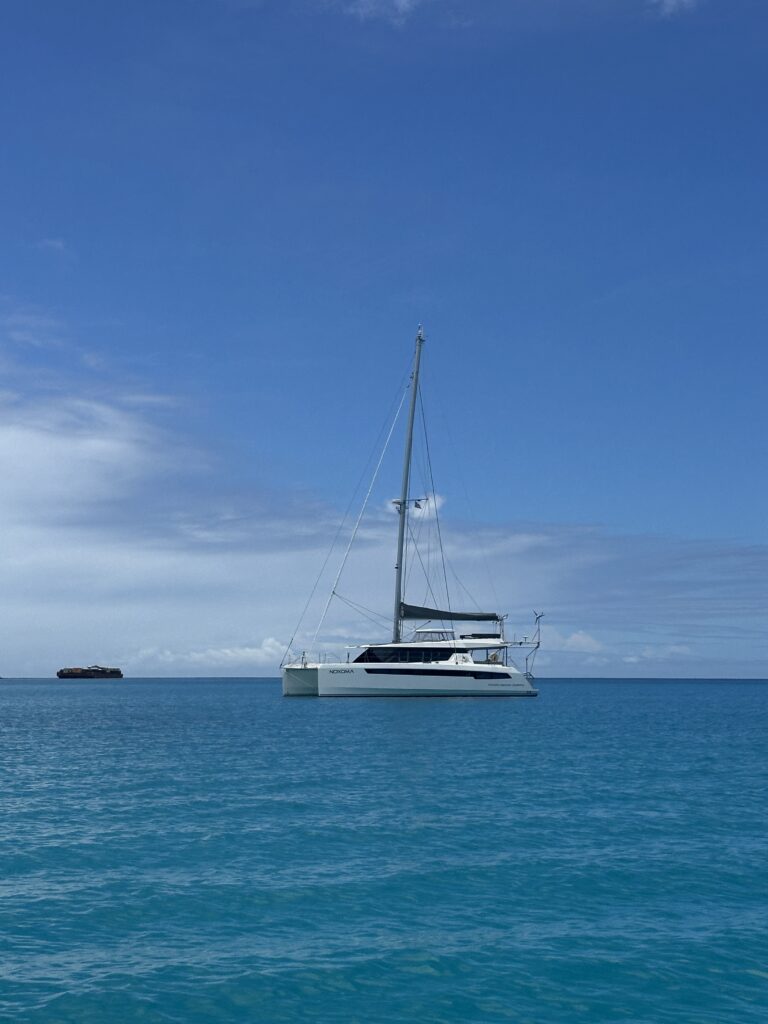
After leaving Wallis and Futuna, the next stop on our journey north towards the Marshall Islands was Tuvalu, one of the smallest and most remote countries in the world. We spent two weeks here, enjoying island life, meeting fellow sailors, and learning more about a country facing an uncertain future.
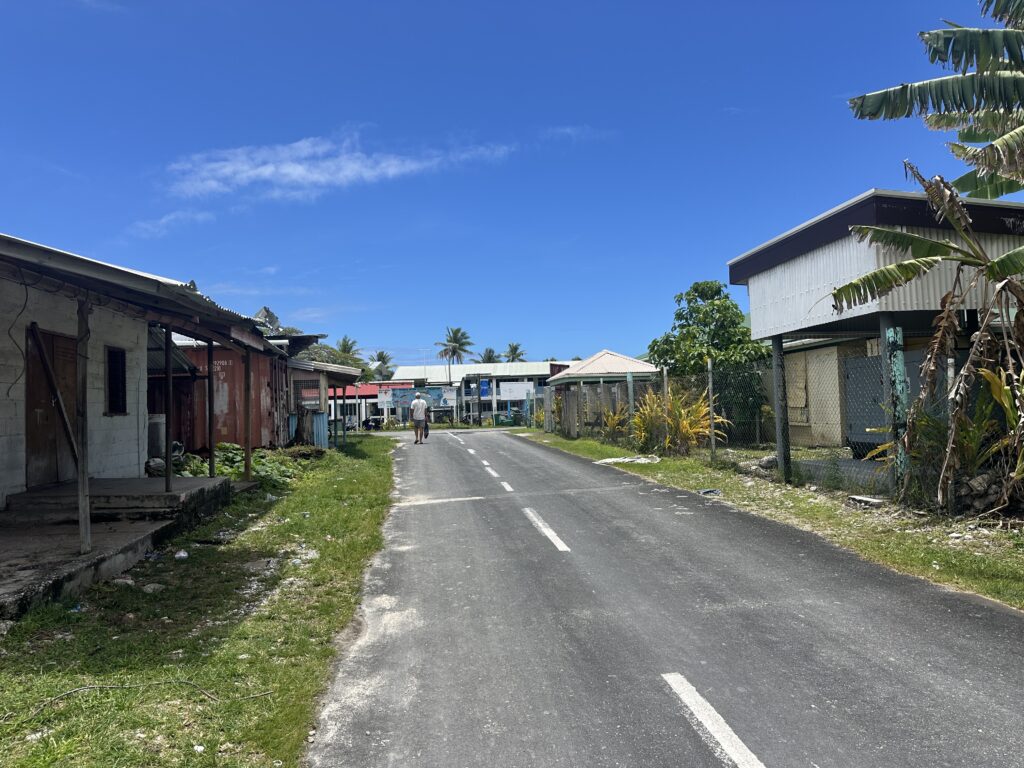
Tuvalu consists of nine islands and atolls scattered across the Pacific Ocean, with a population of around 11,000 people. Its capital, Funafuti, is located on a narrow strip of land between the Pacific Ocean and a large lagoon. In some places, the island is barely wide enough for a road and a row of houses.
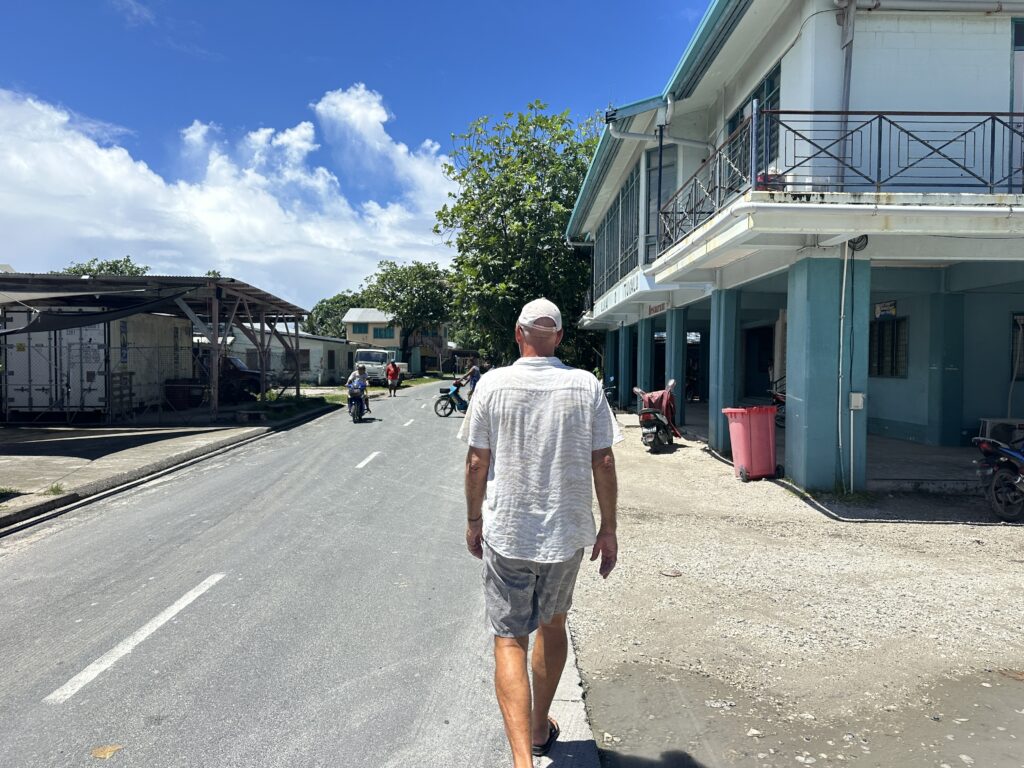
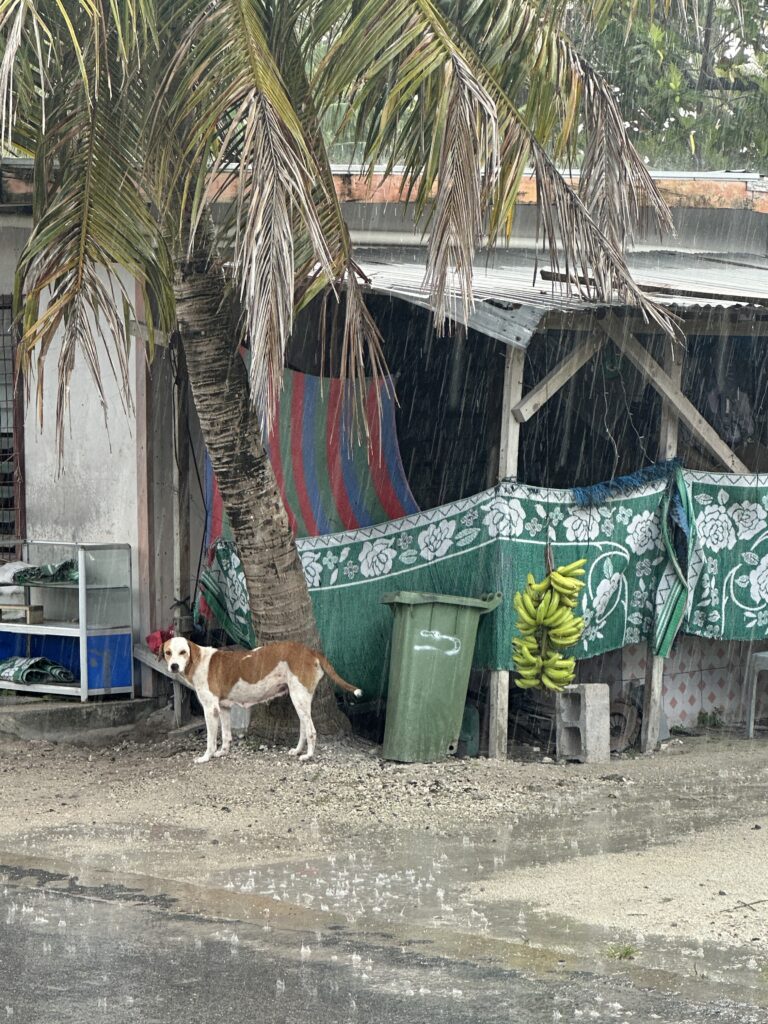
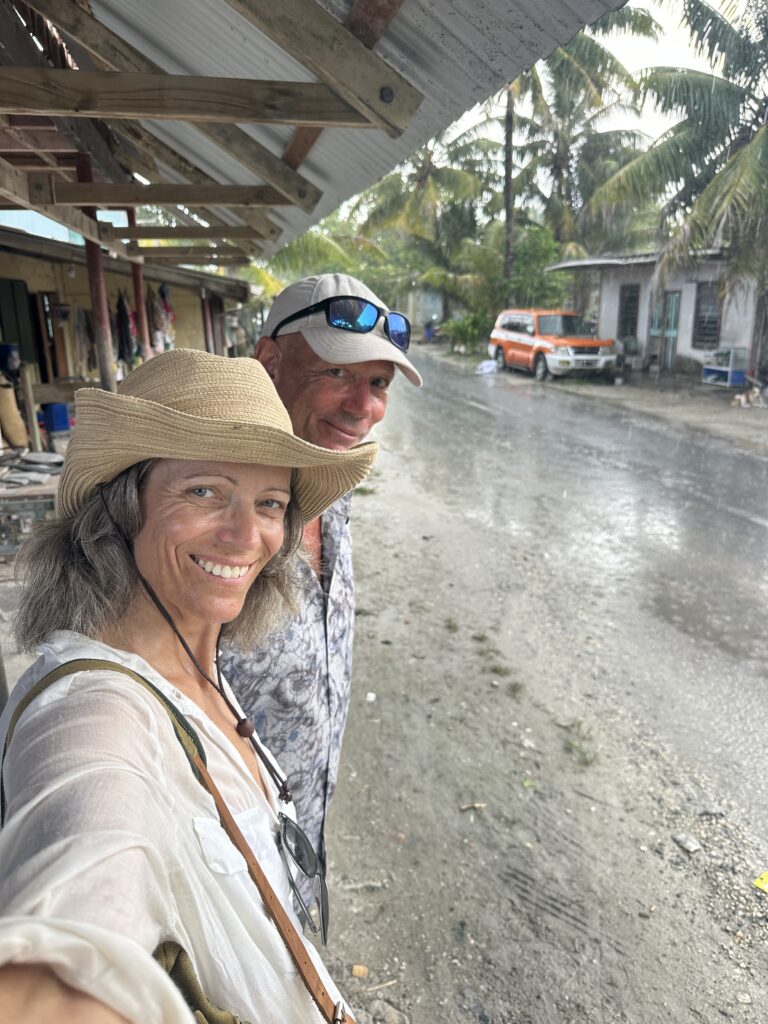
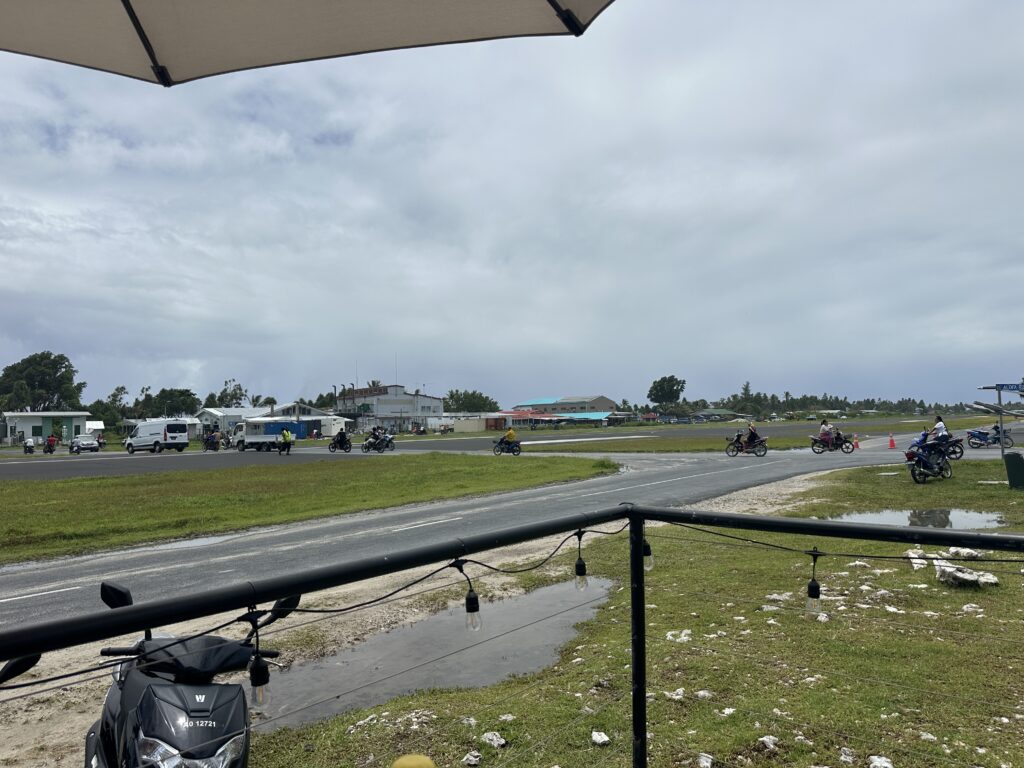
We enjoyed exploring Funafuti, which was surprisingly busy for such a small place. Almost everyone seemed to get around on small motorcycles and mopeds, often with several family members sharing one bike. With the tropical climate, busy little streets and constant flow of two-wheelers, we sometimes felt more like we were somewhere in Southeast Asia than on a remote Pacific island.
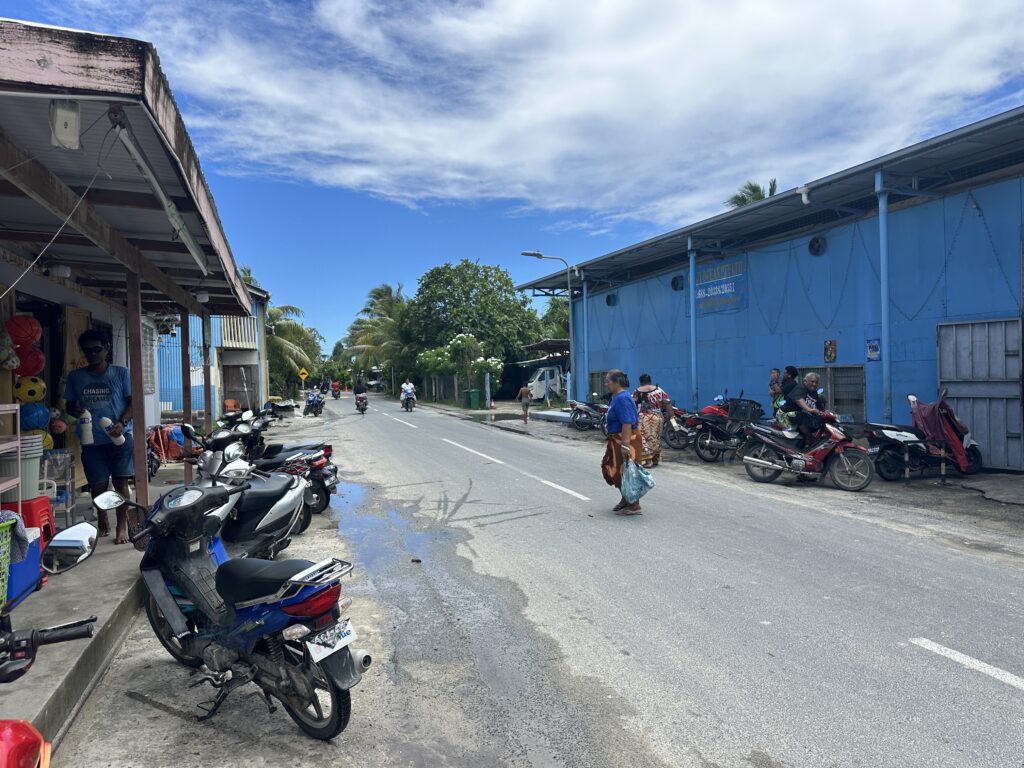
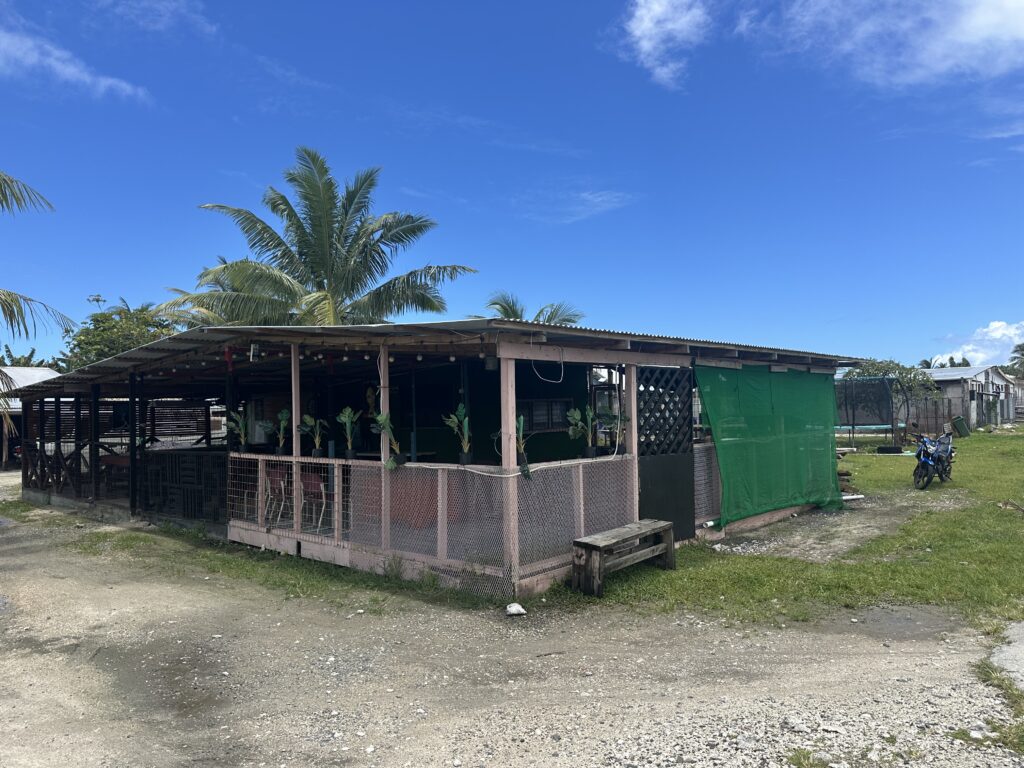
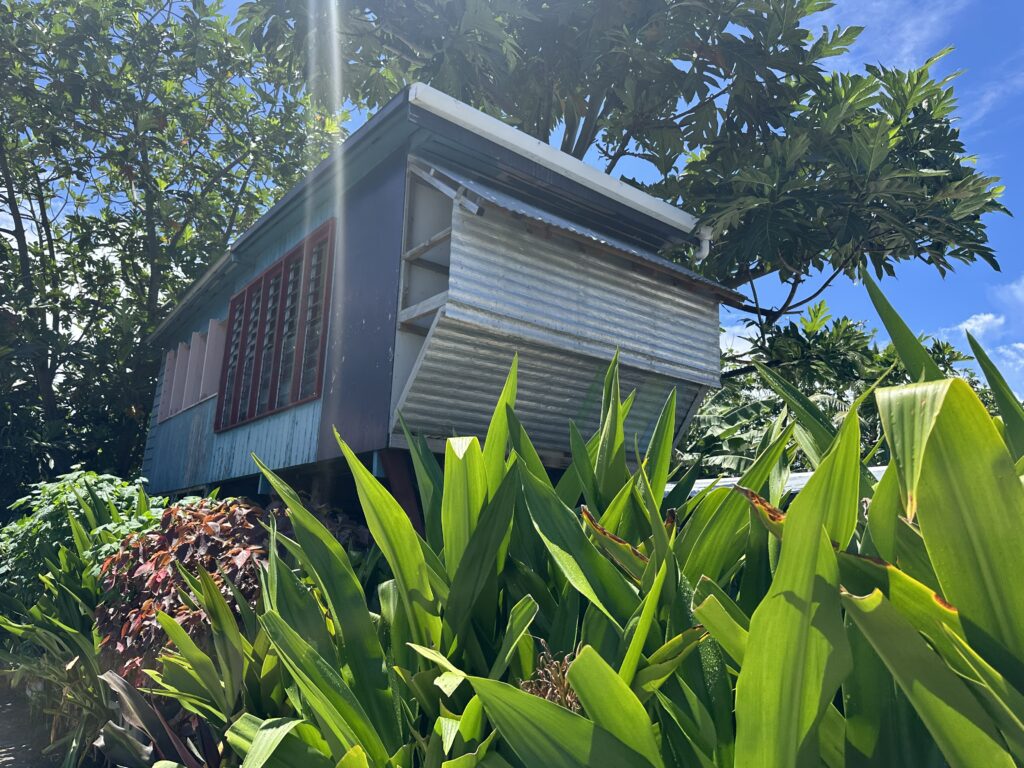
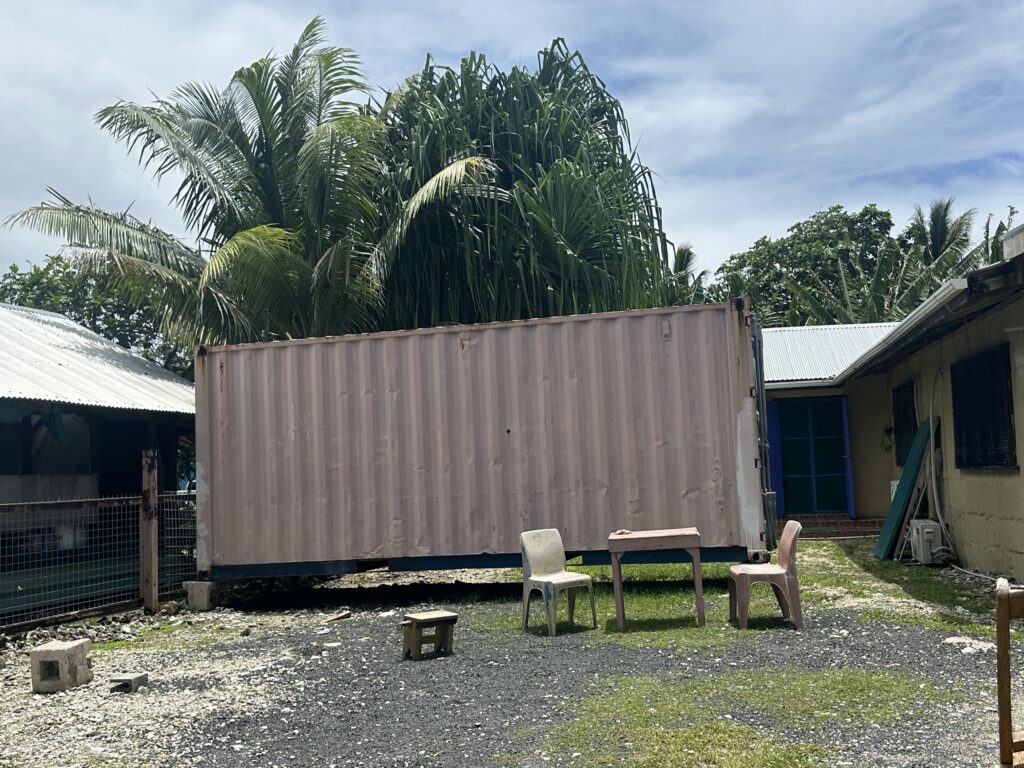
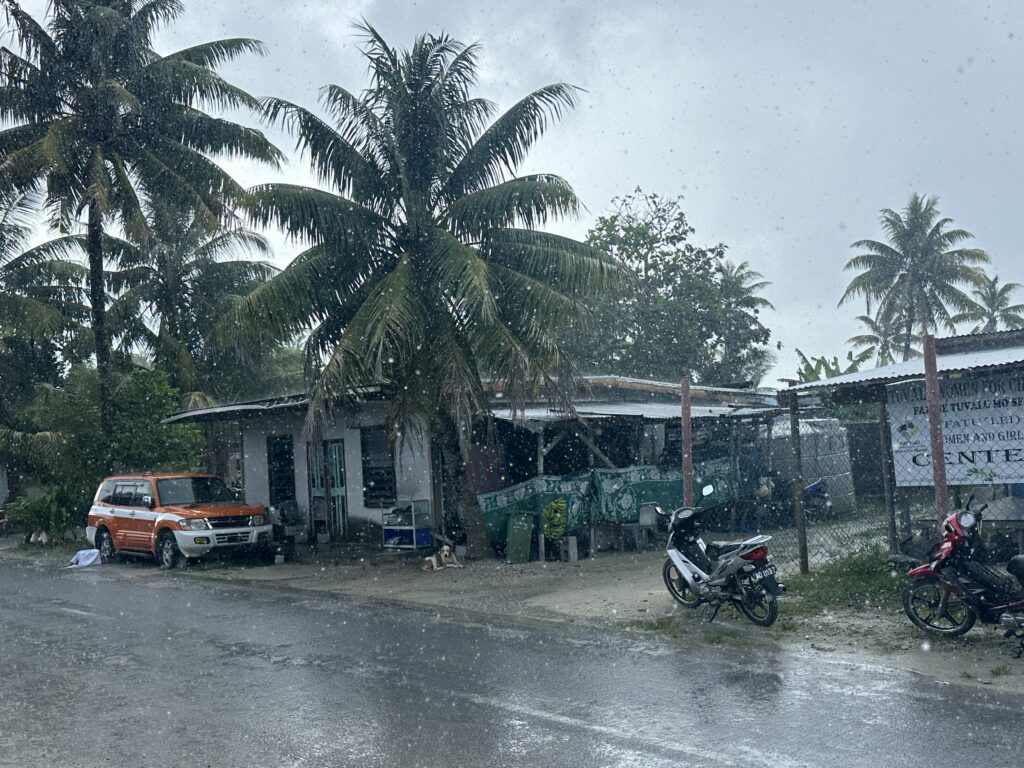
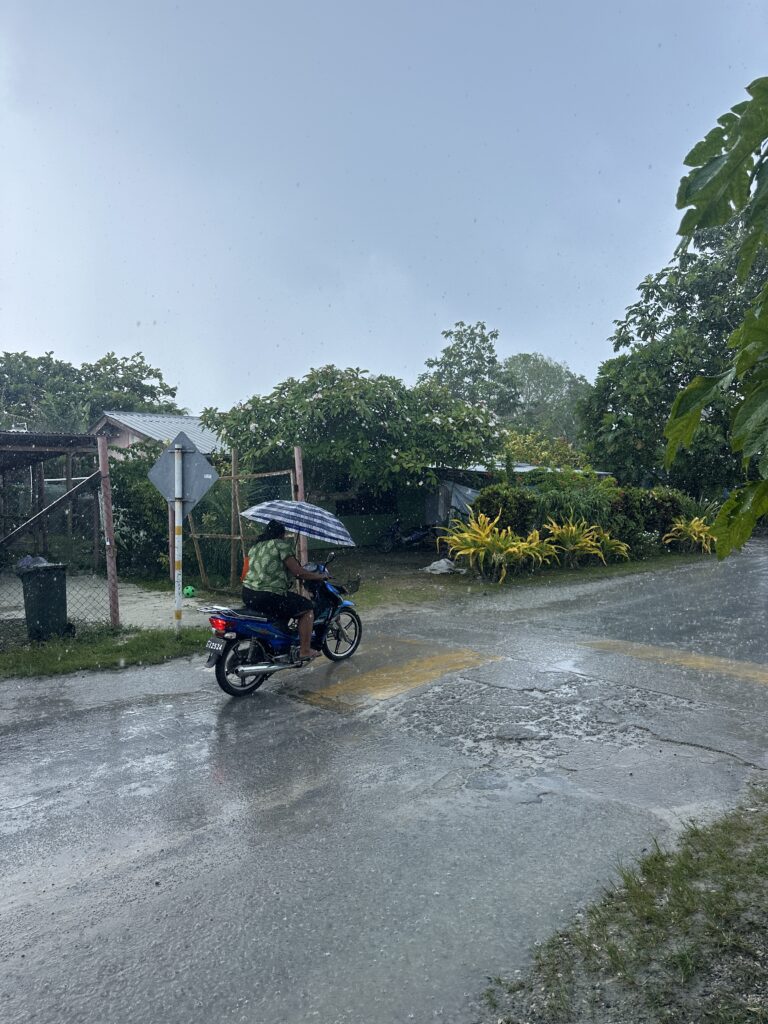
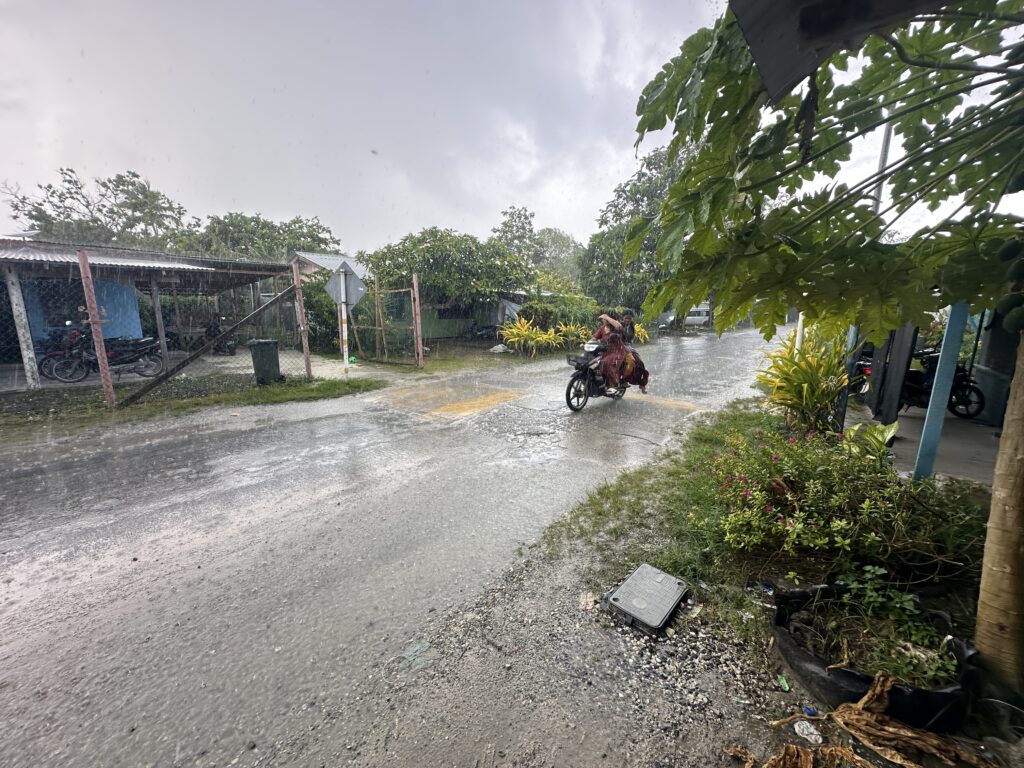
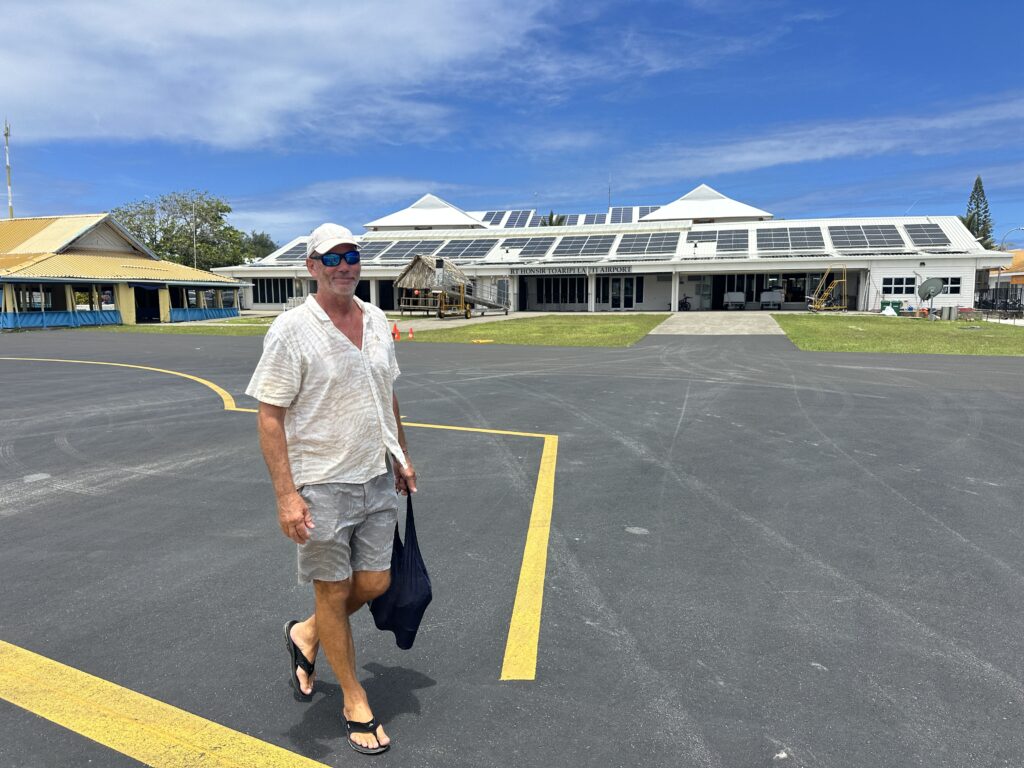
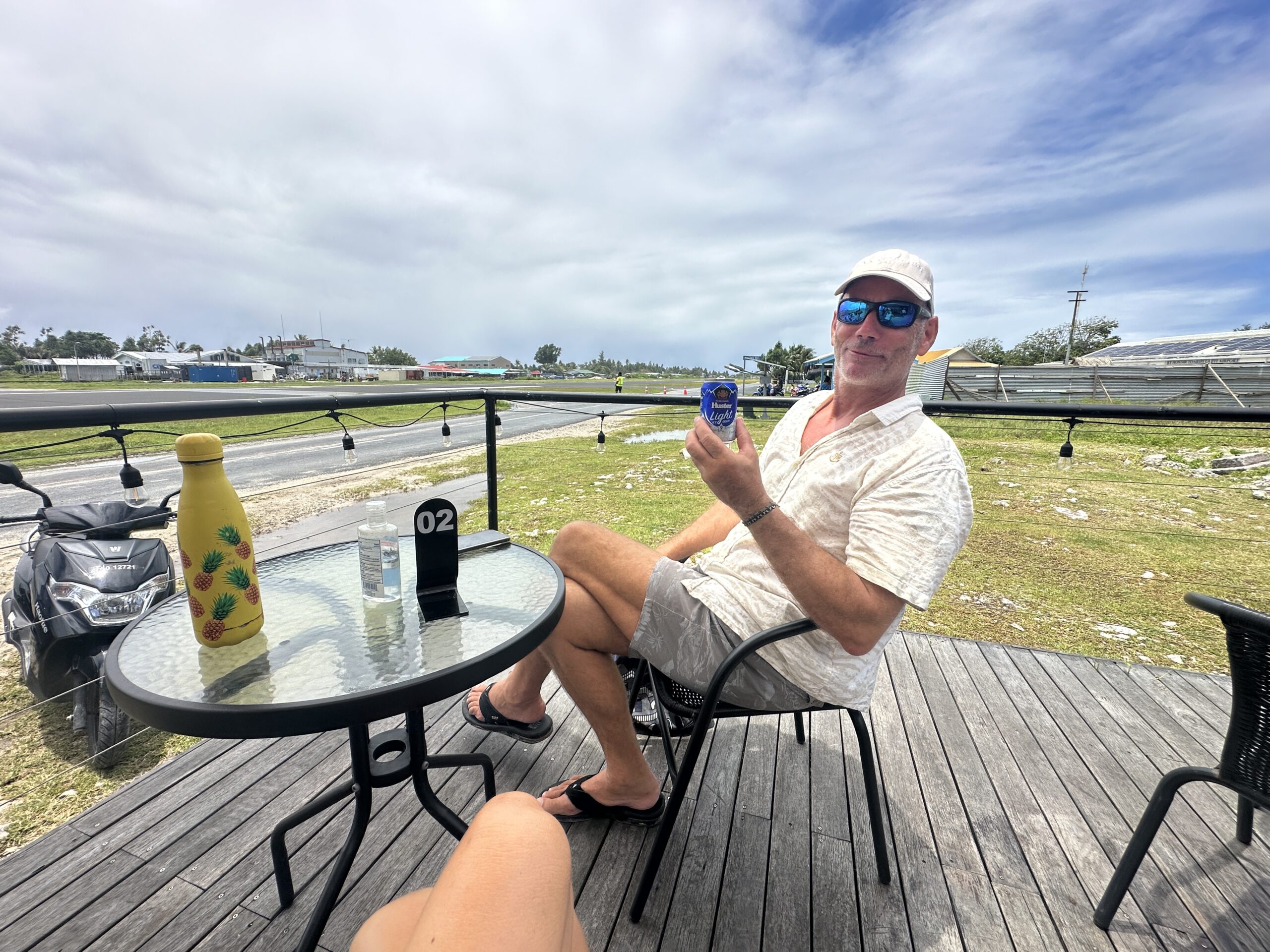
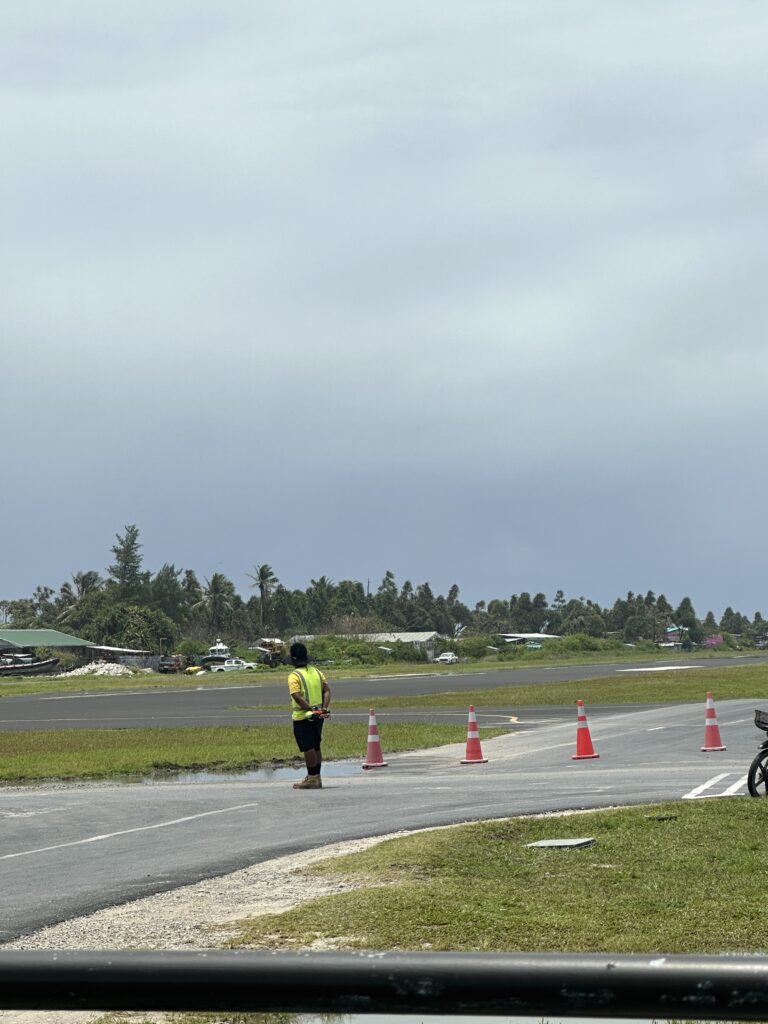
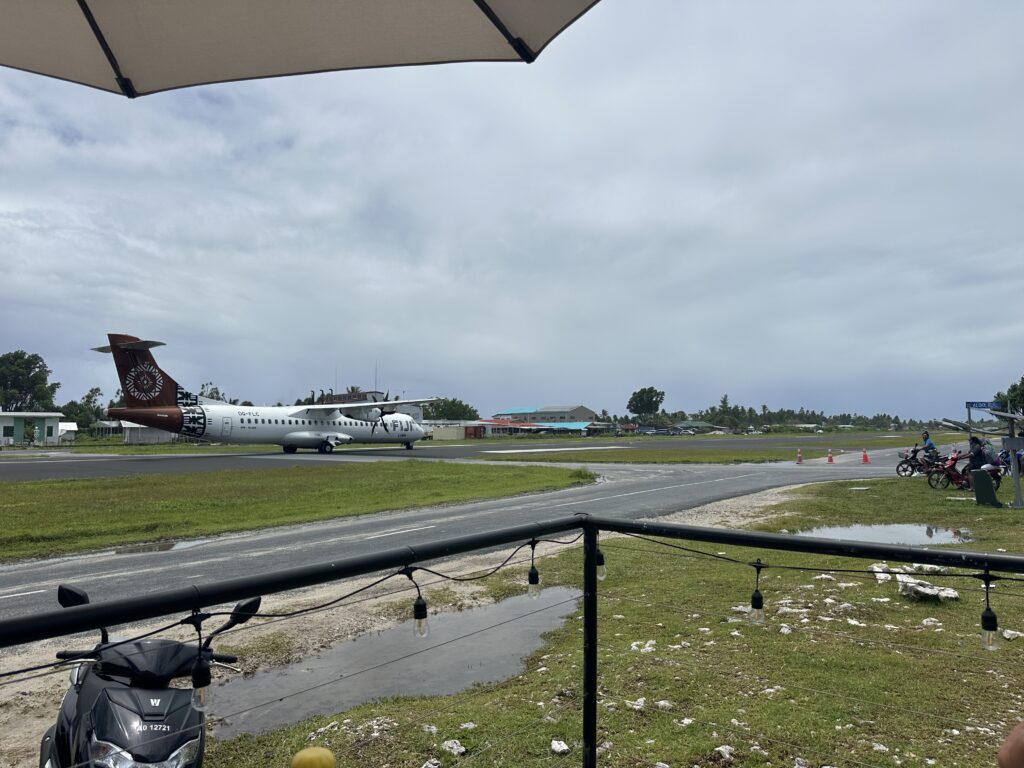
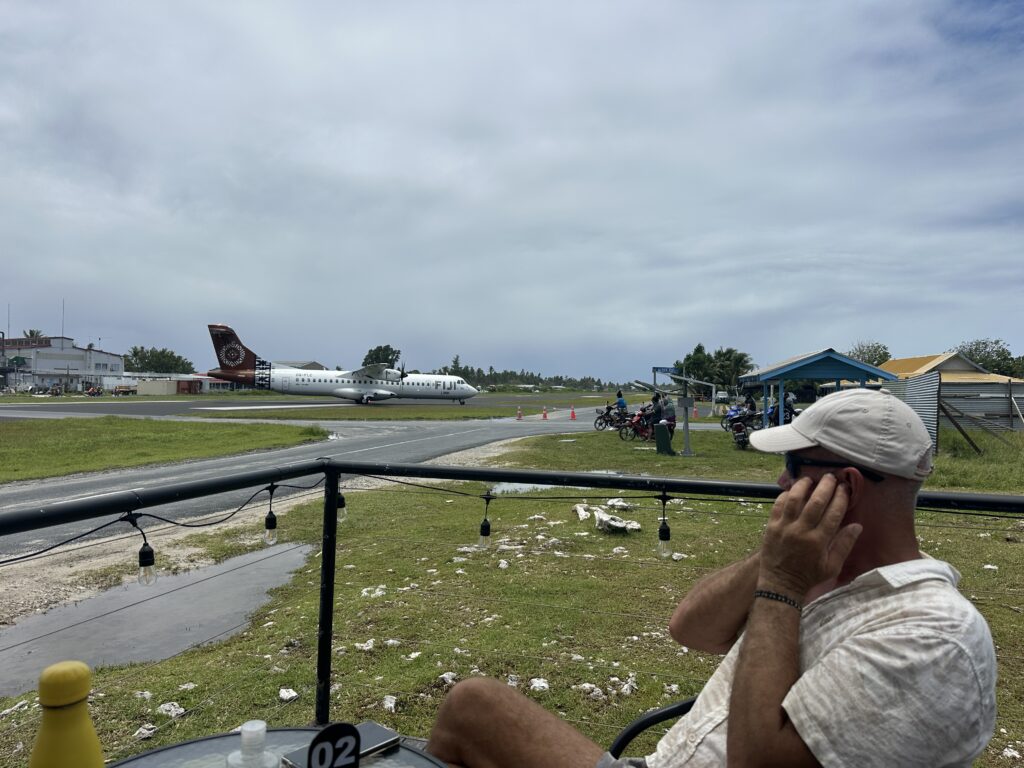
One of the more unusual attractions in Funafuti was the airport. The runway runs right through the middle of town and, when there are no planes, it becomes part of everyday life. People walk, cycle, play sports and gather there, making it one of the most popular public spaces on the island.
Whenever a plane was approaching, a siren sounded to warn everyone to clear the runway. We found it quite amusing how close to the actual landing people waited before leaving the airstrip. Shortly after the plane had departed, life returned to normal, and the runway once again belonged to the locals.
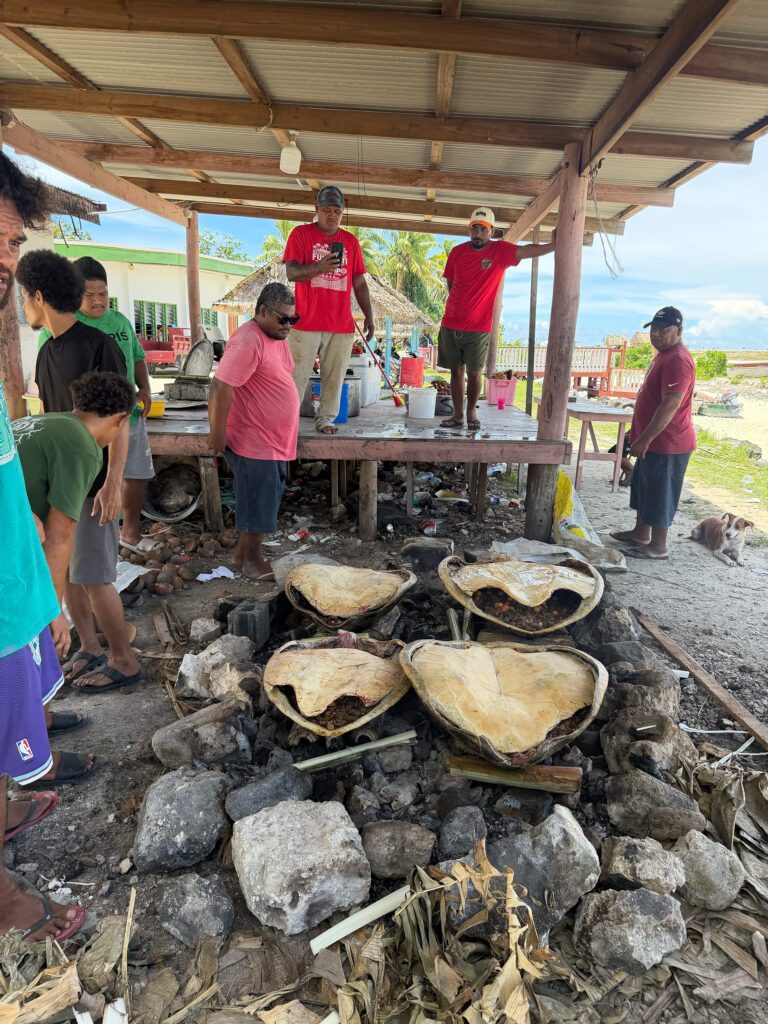
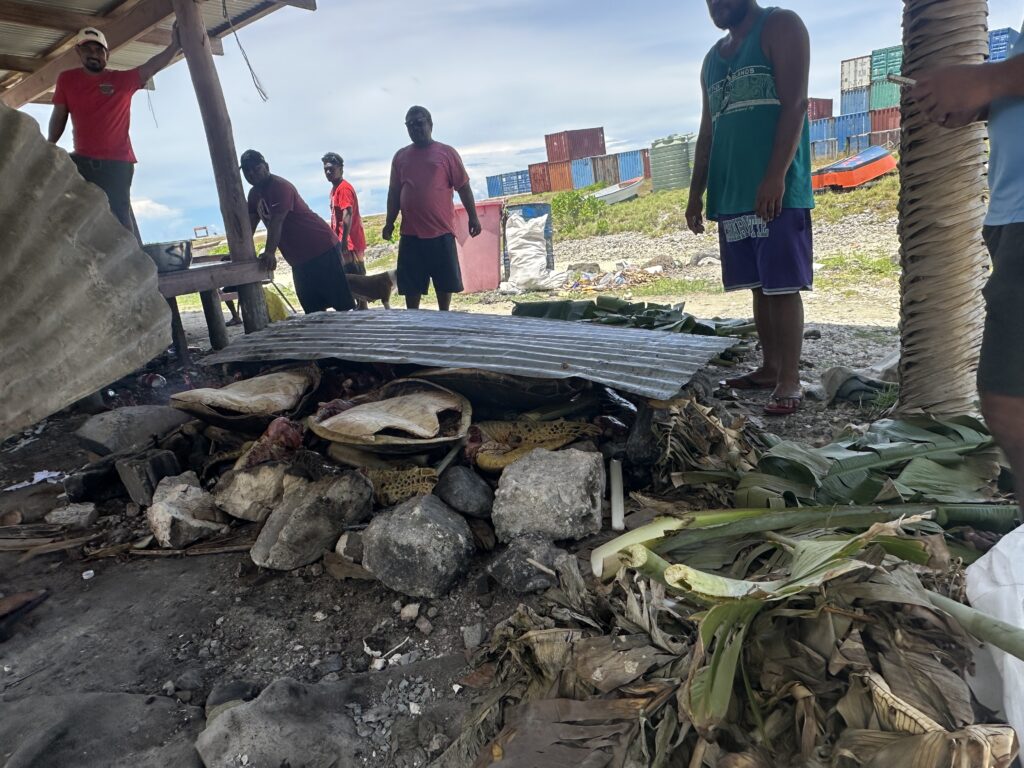
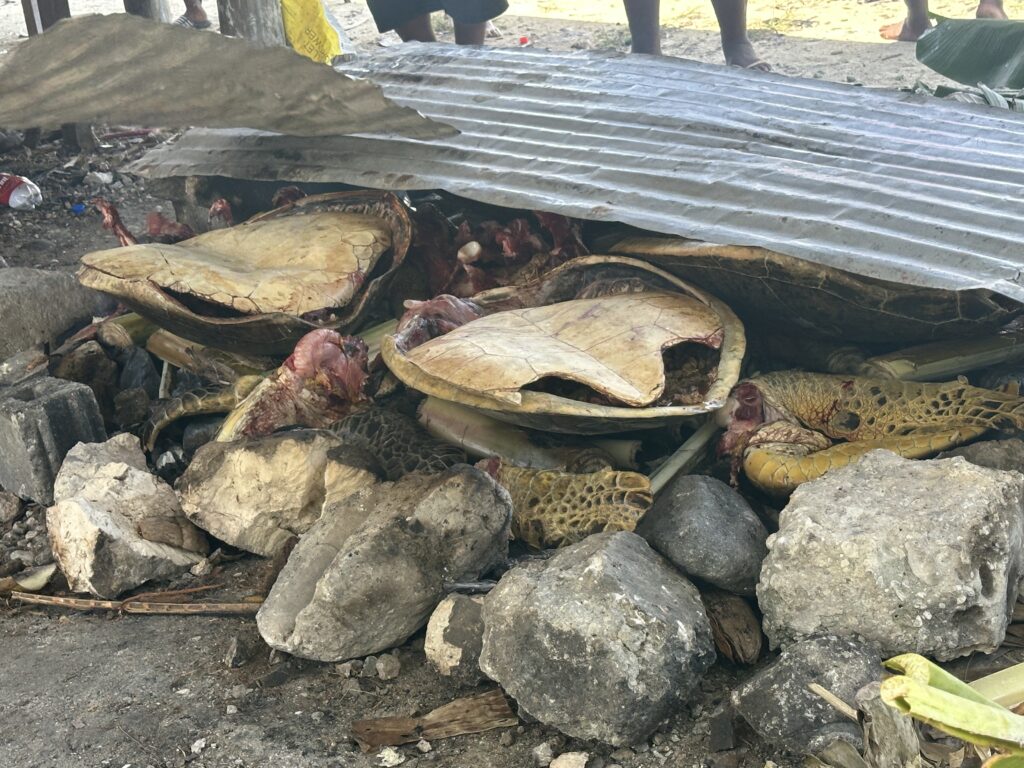
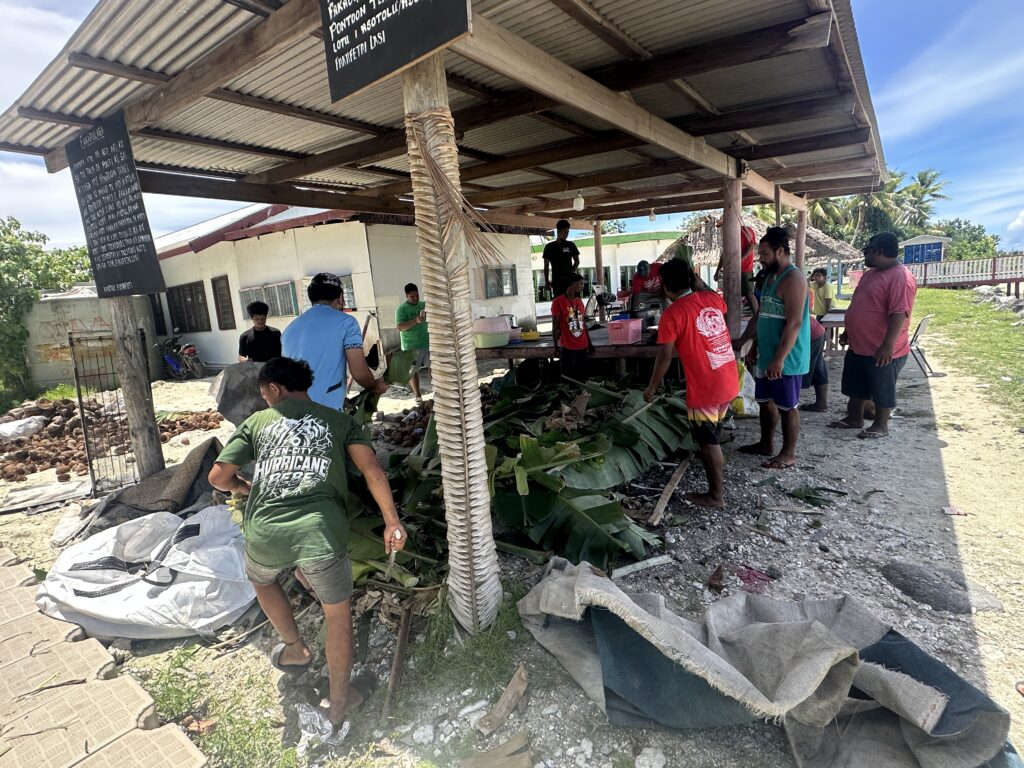
We also learned that sea turtles are traditionally eaten in Tuvalu, particularly during special ceremonies and community celebrations. While exploring Funafuti, we saw locals preparing four turtles in an umu, a traditional Polynesian earth oven, where food is cooked using heated stones and covered to retain the heat.
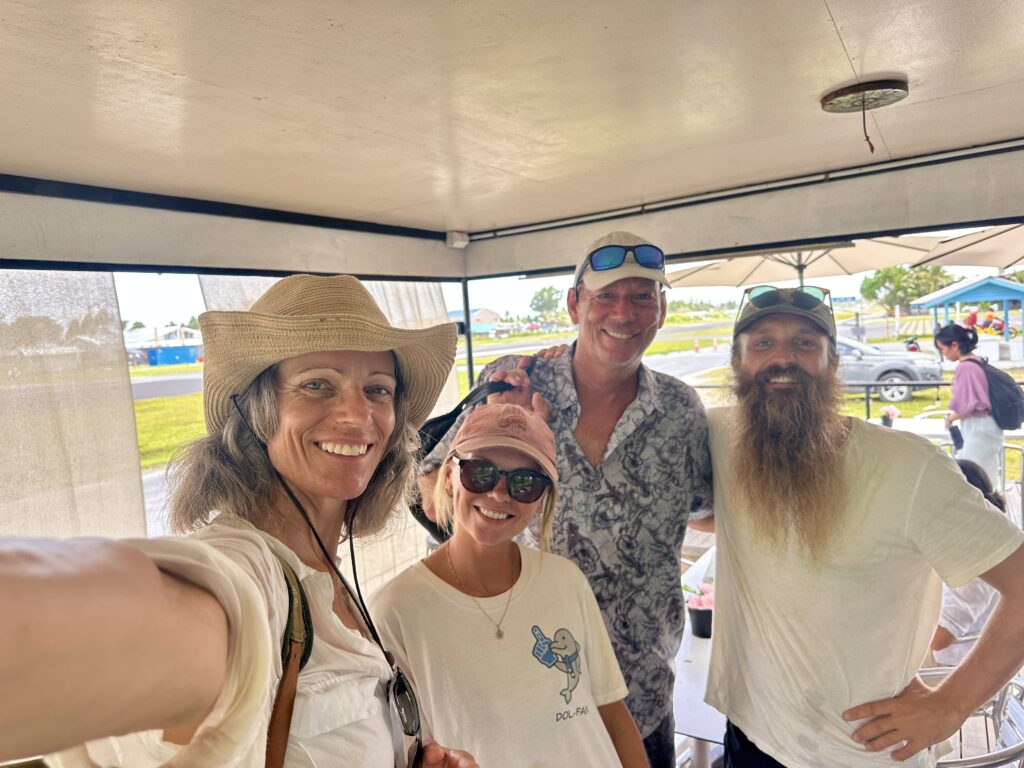
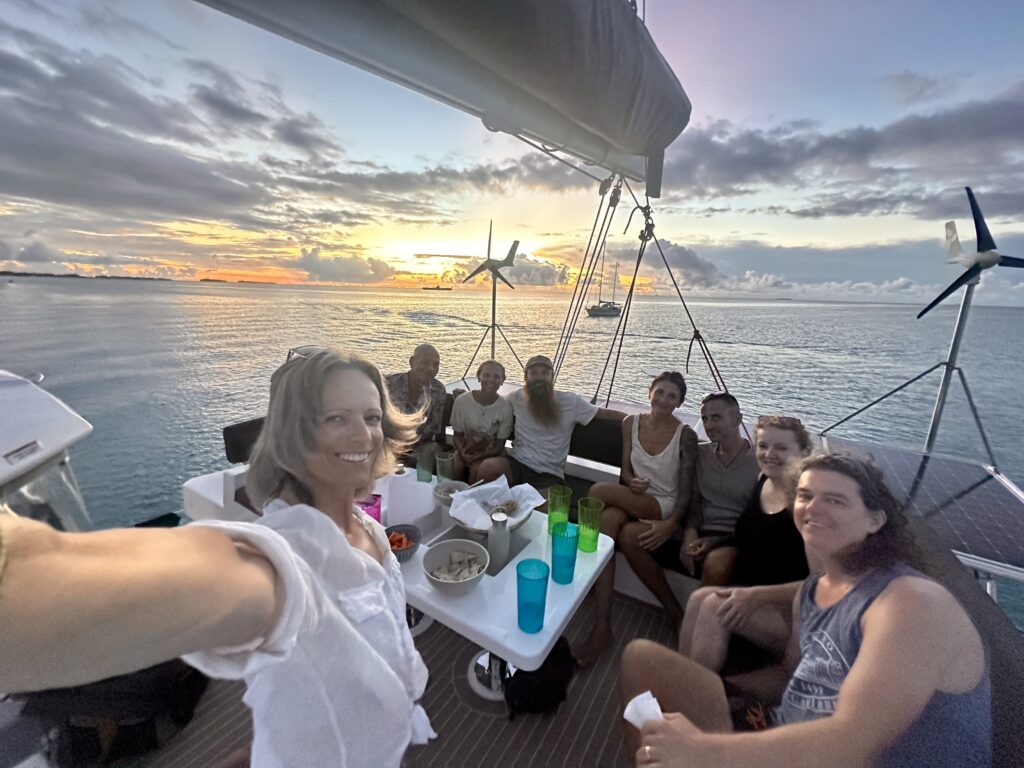
We were fortunate to share our time in Tuvalu with crews from three other sailboats. As always, meeting fellow cruisers made our stay even more enjoyable, and we spent quite a bit of time socializing.
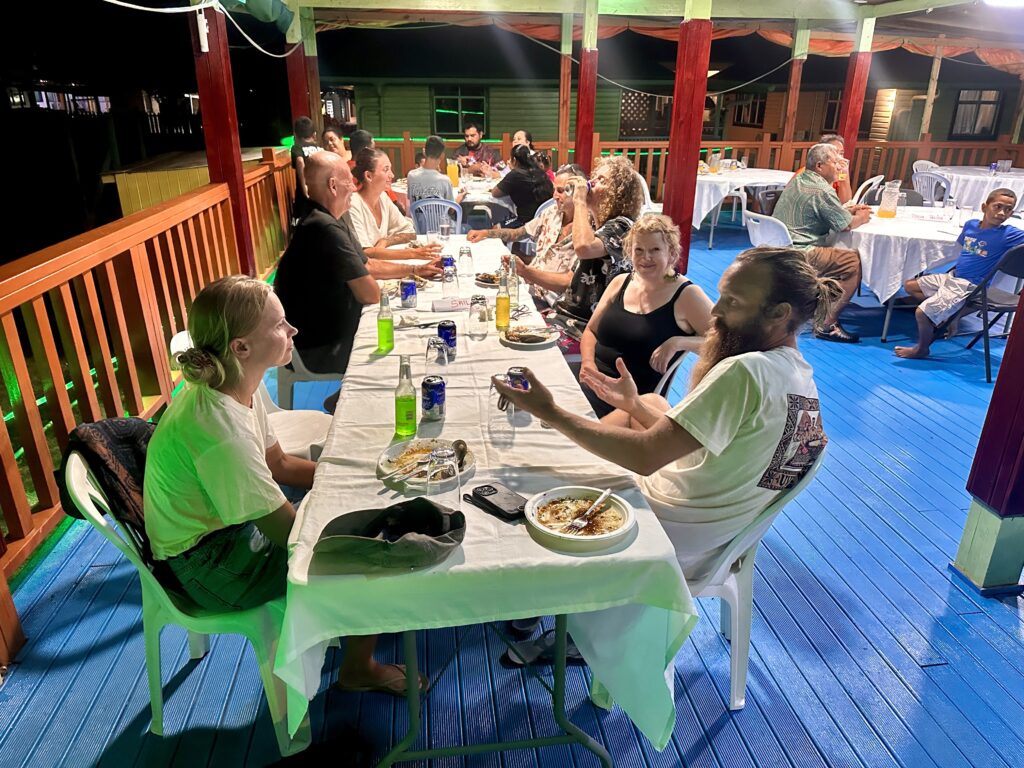
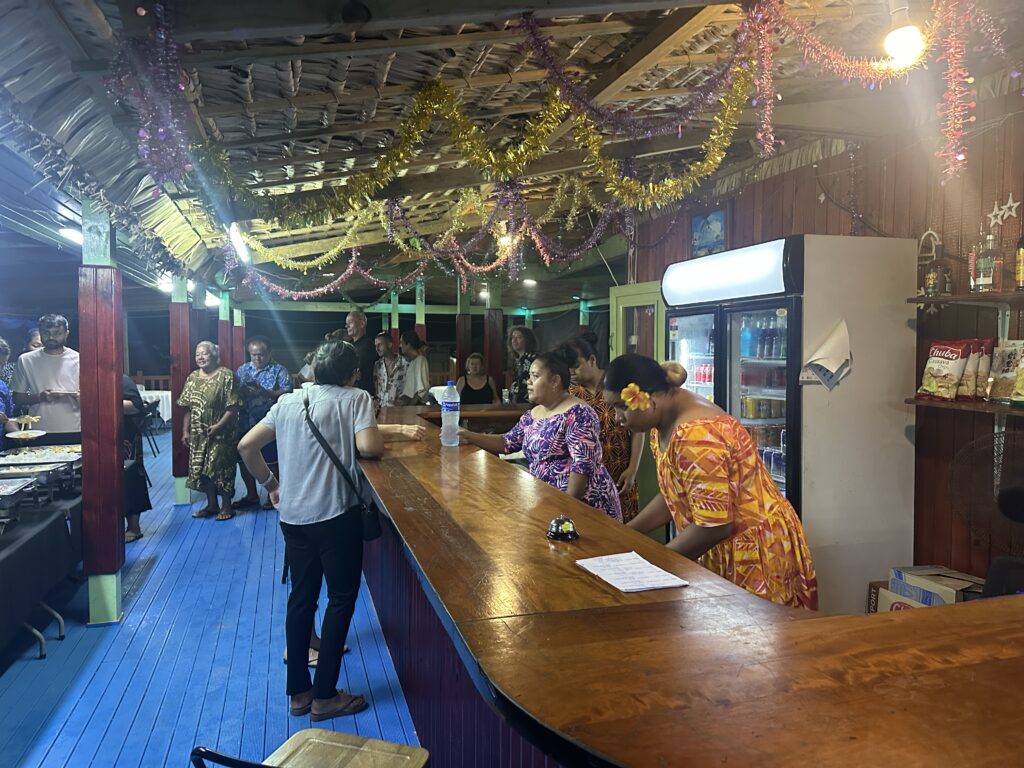
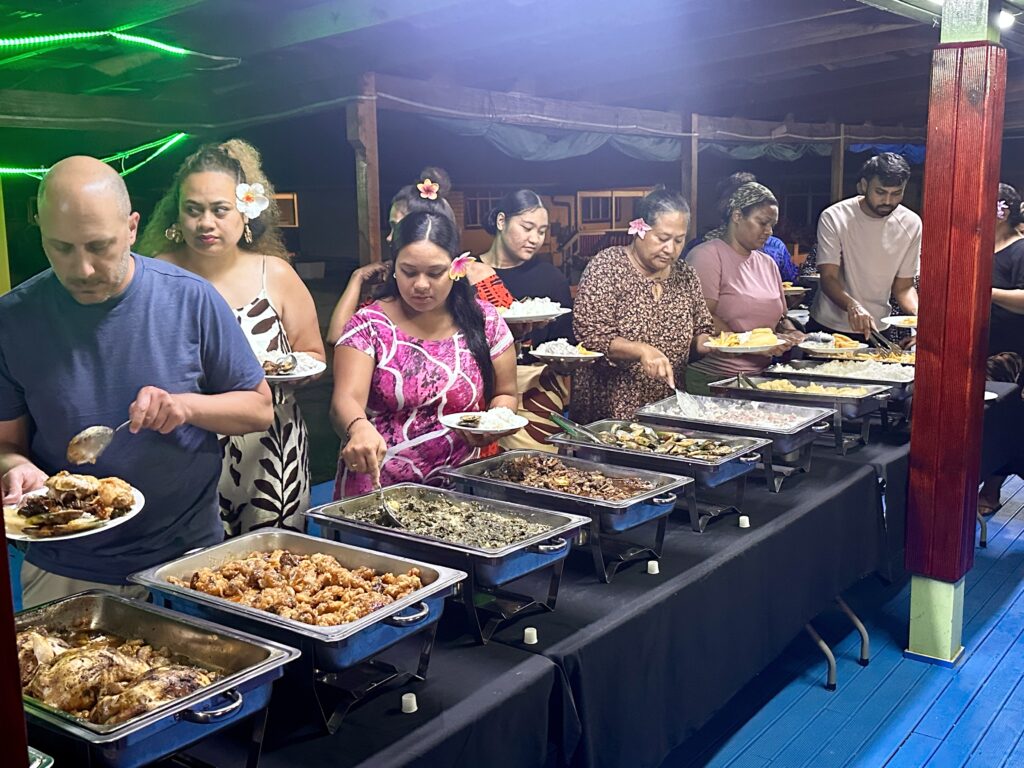
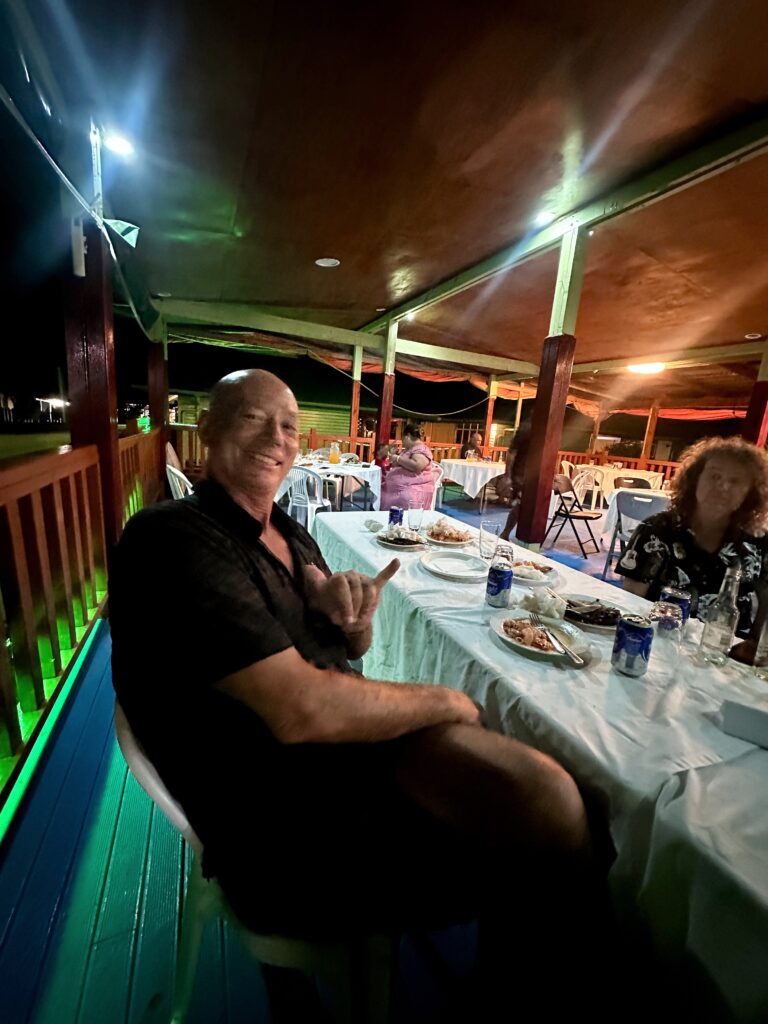
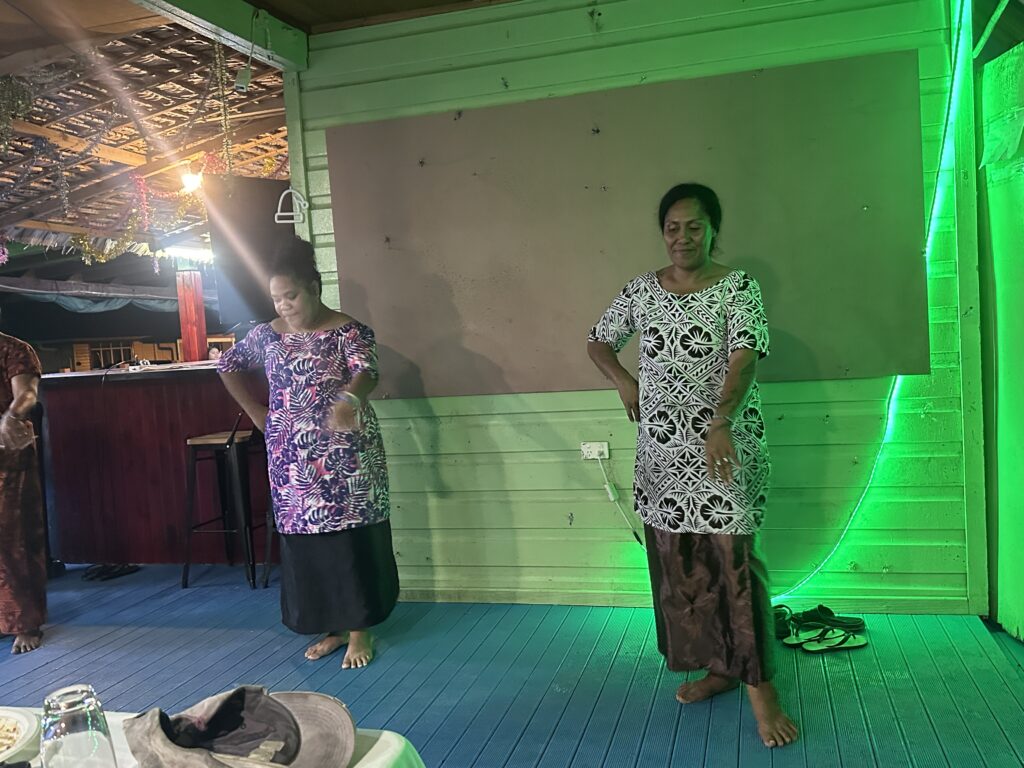
One of the highlights was a Friday evening at the Lagoon Hotel, where we joined the buffet dinner. Most of the other diners were locals, and after dinner there was a traditional dance performance. It was a really nice evening and an opportunity to experience a little more of the local culture.
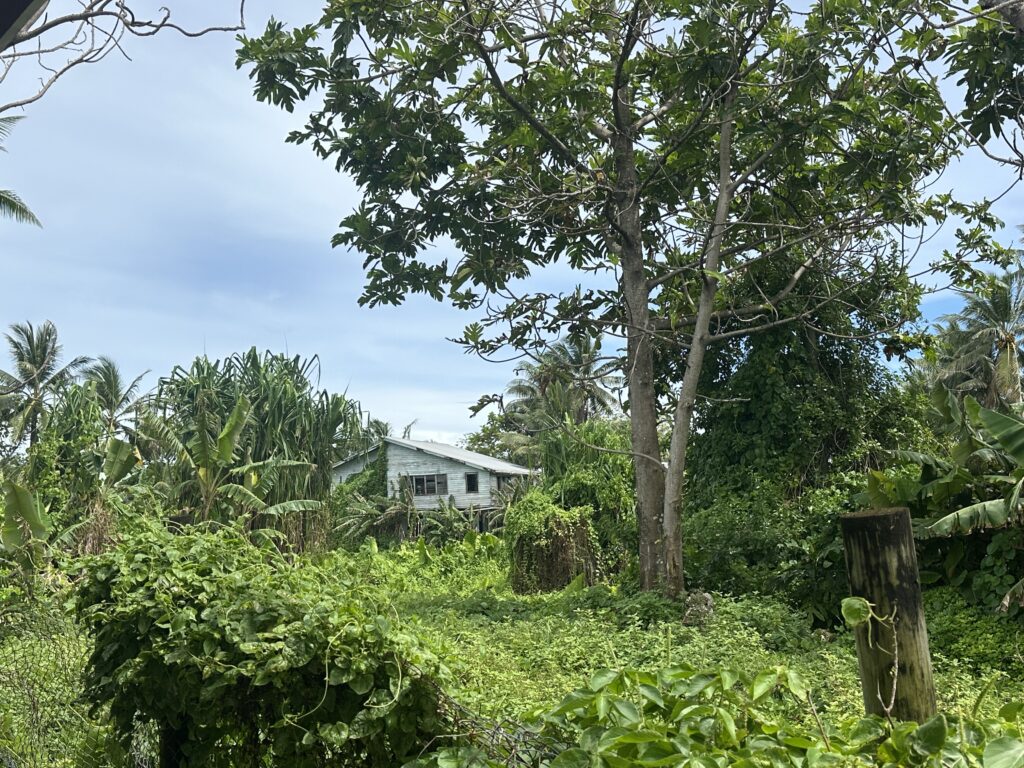
We also visited Funafala, a small village on an islet at the southern end of Funafuti Lagoon. It was a very different experience from the busy streets of Funafuti. We were told that only four families were still living in the village, and several of the houses looked abandoned.
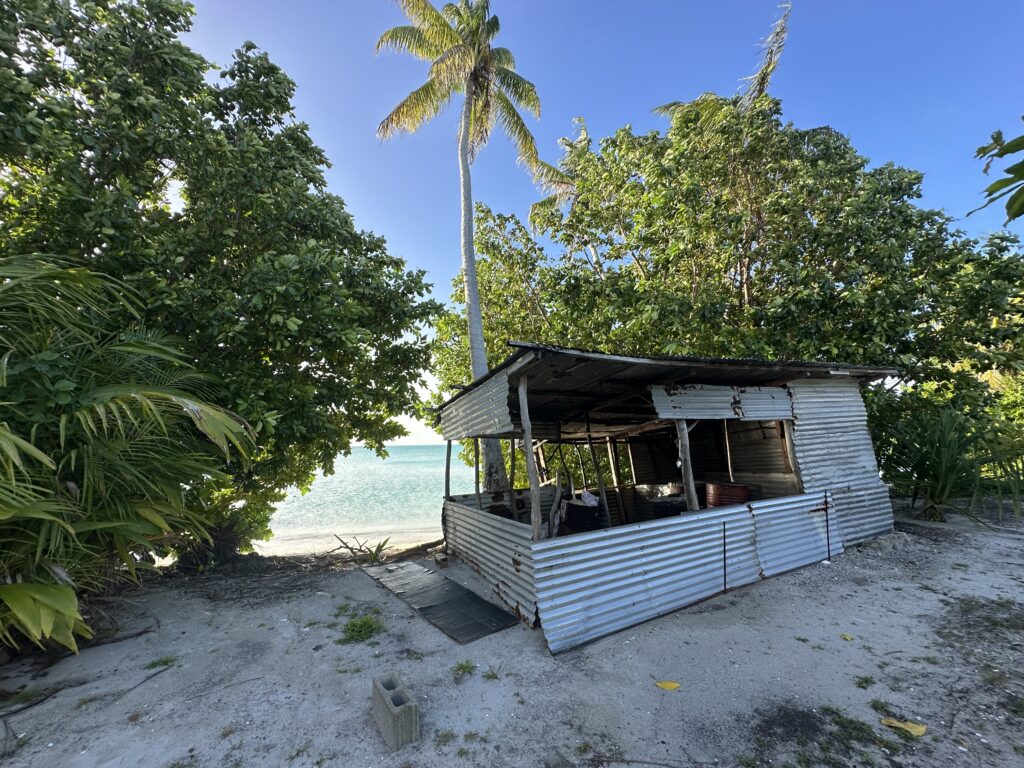
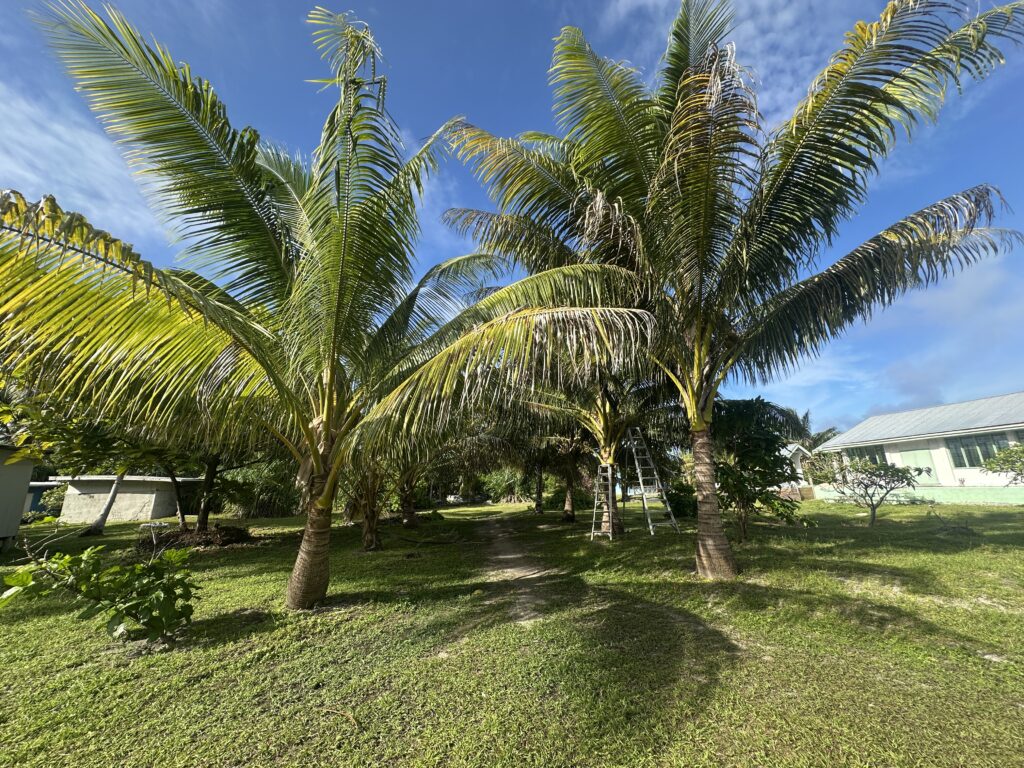
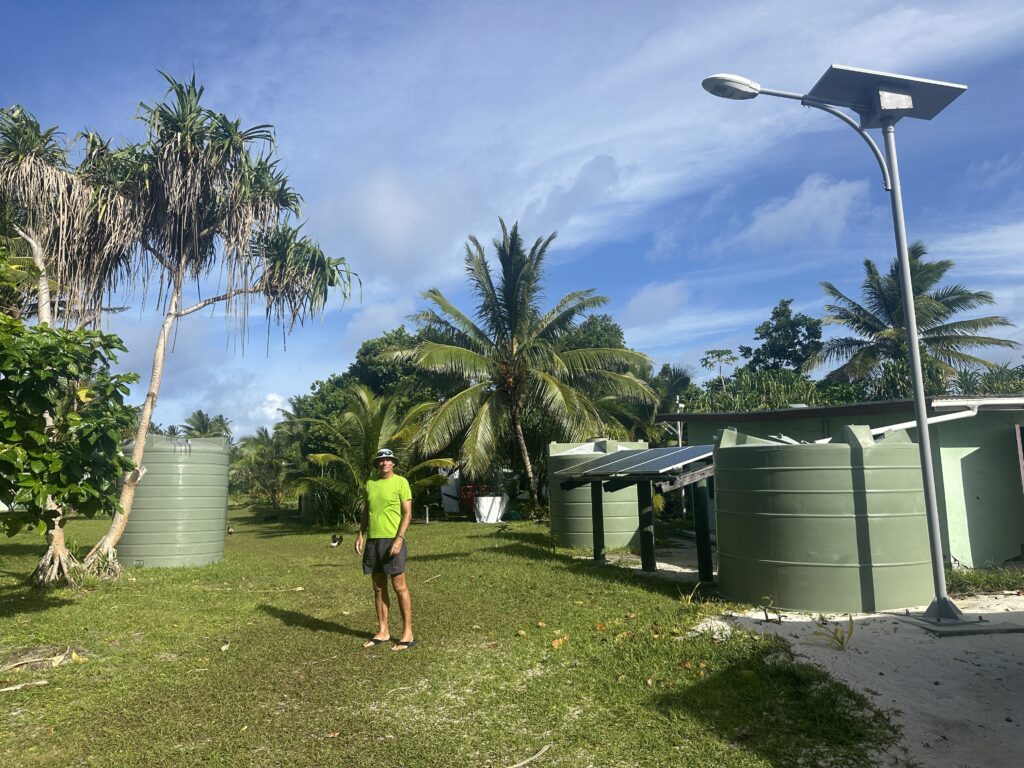
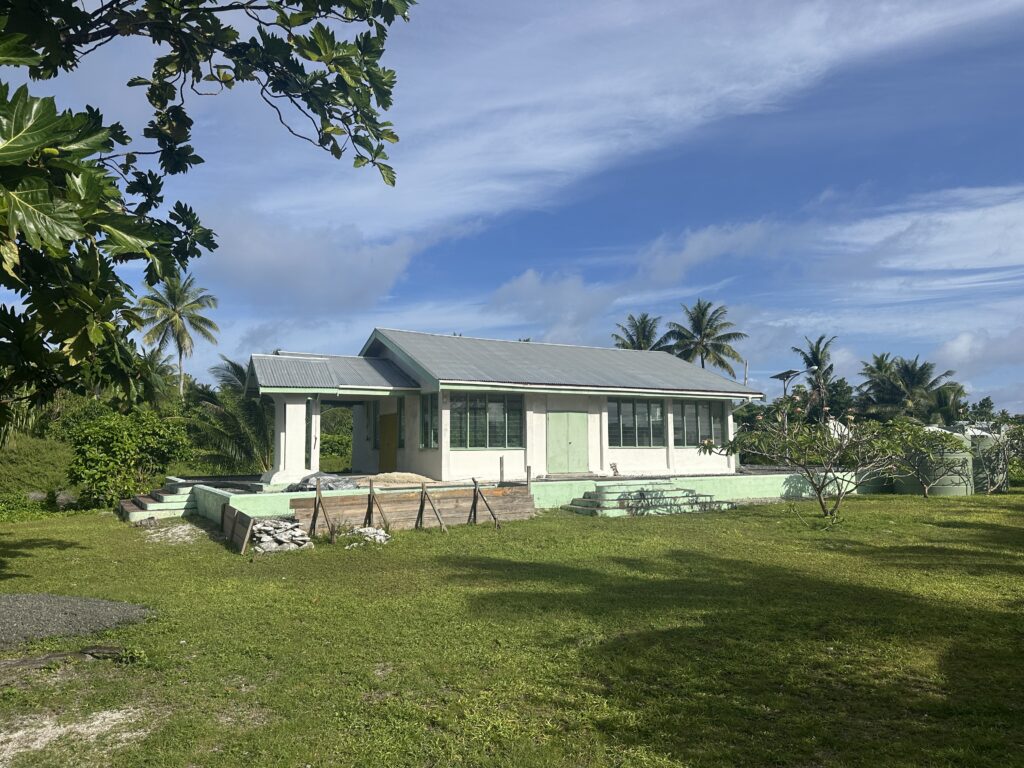
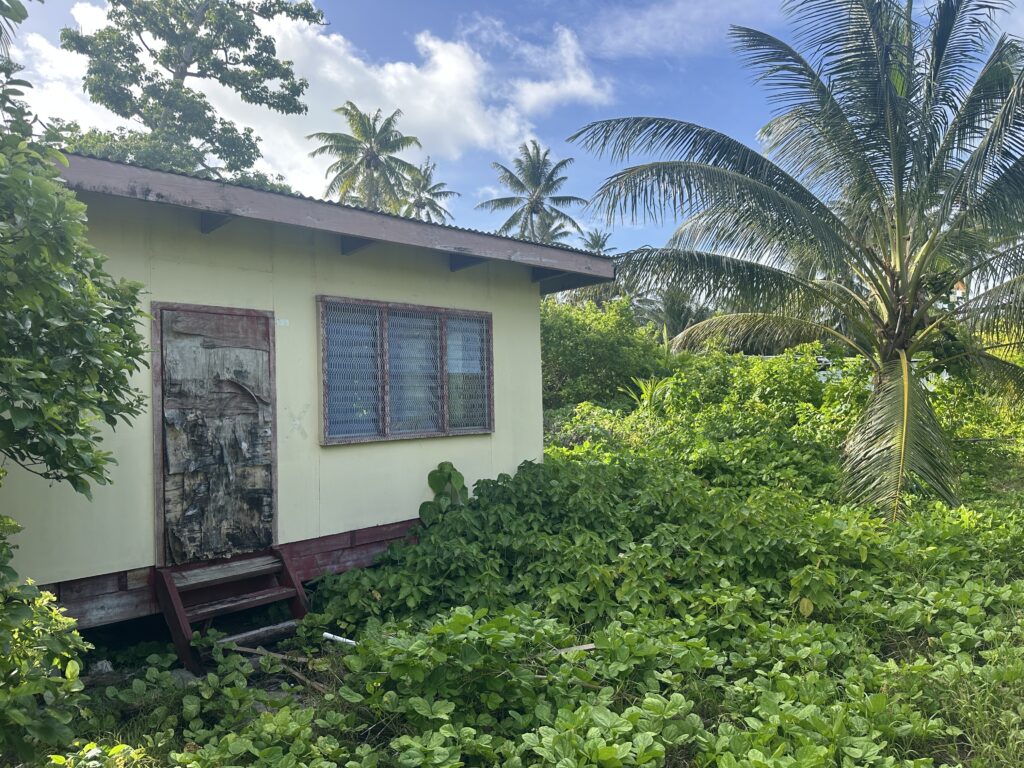
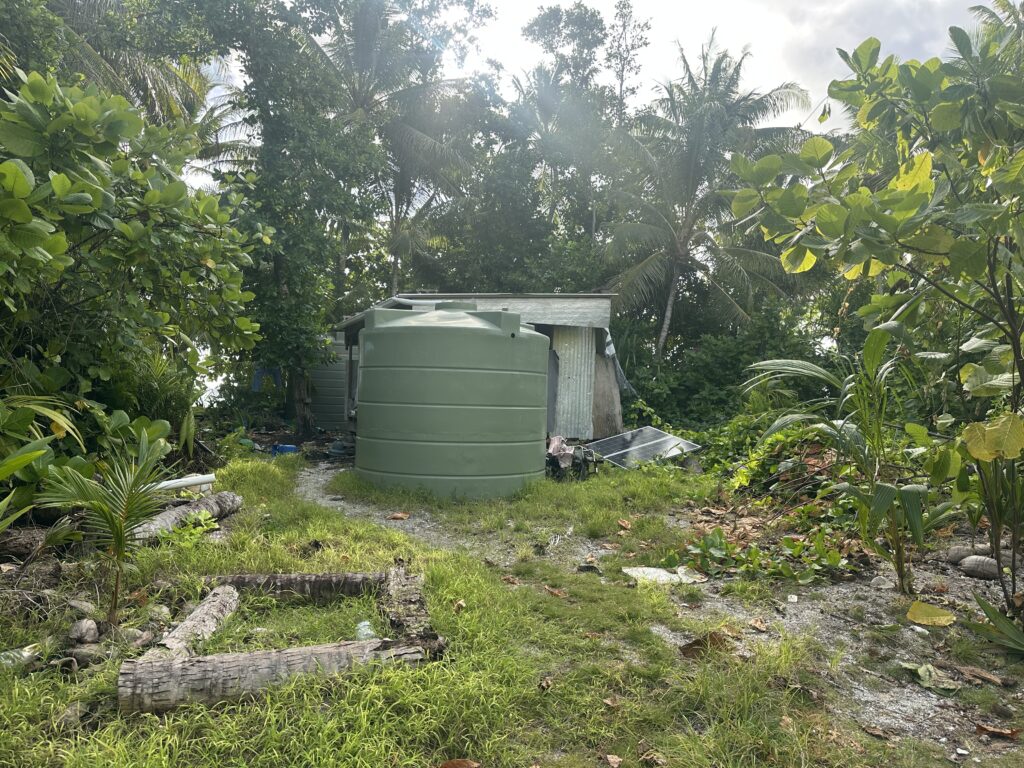
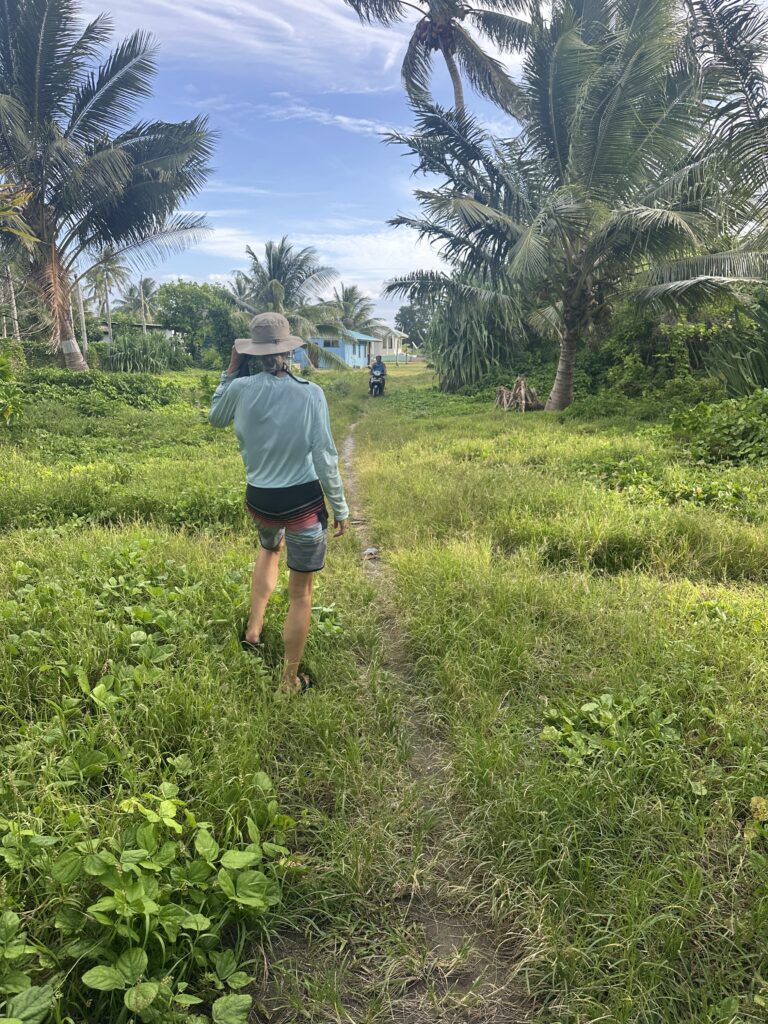
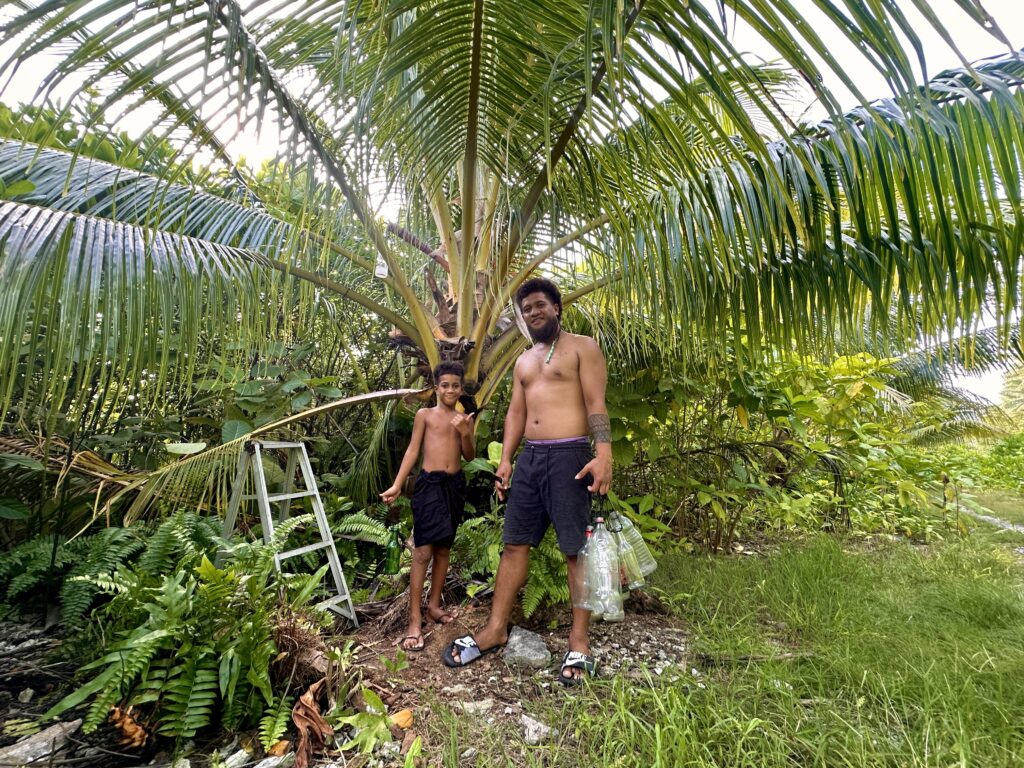
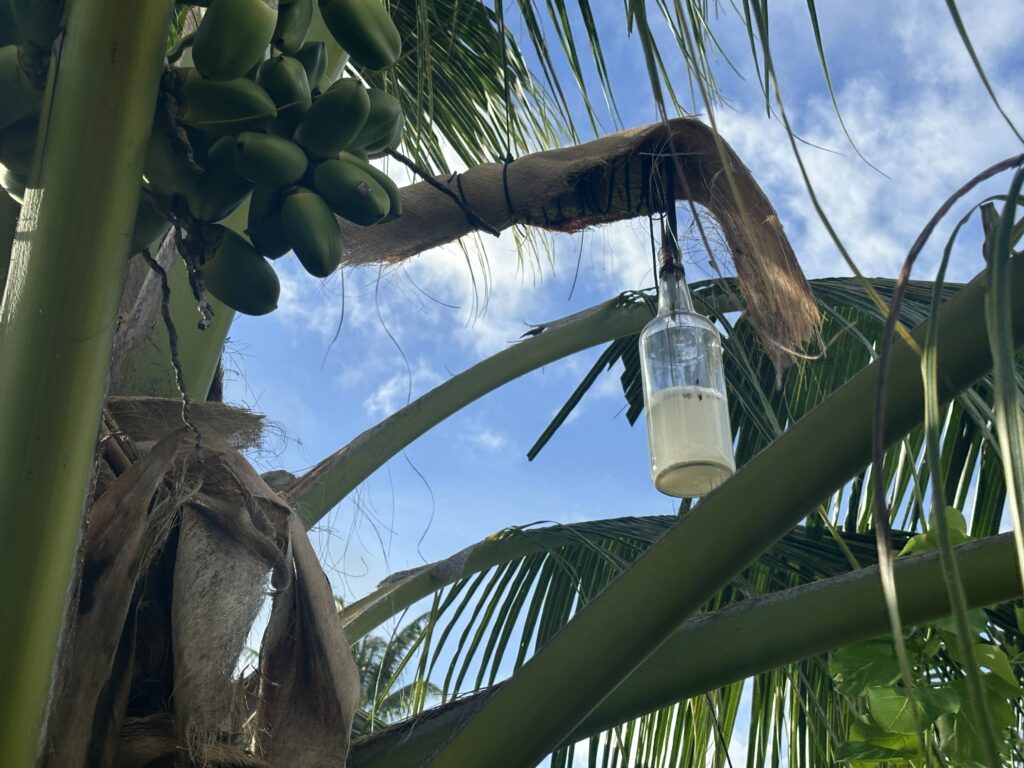
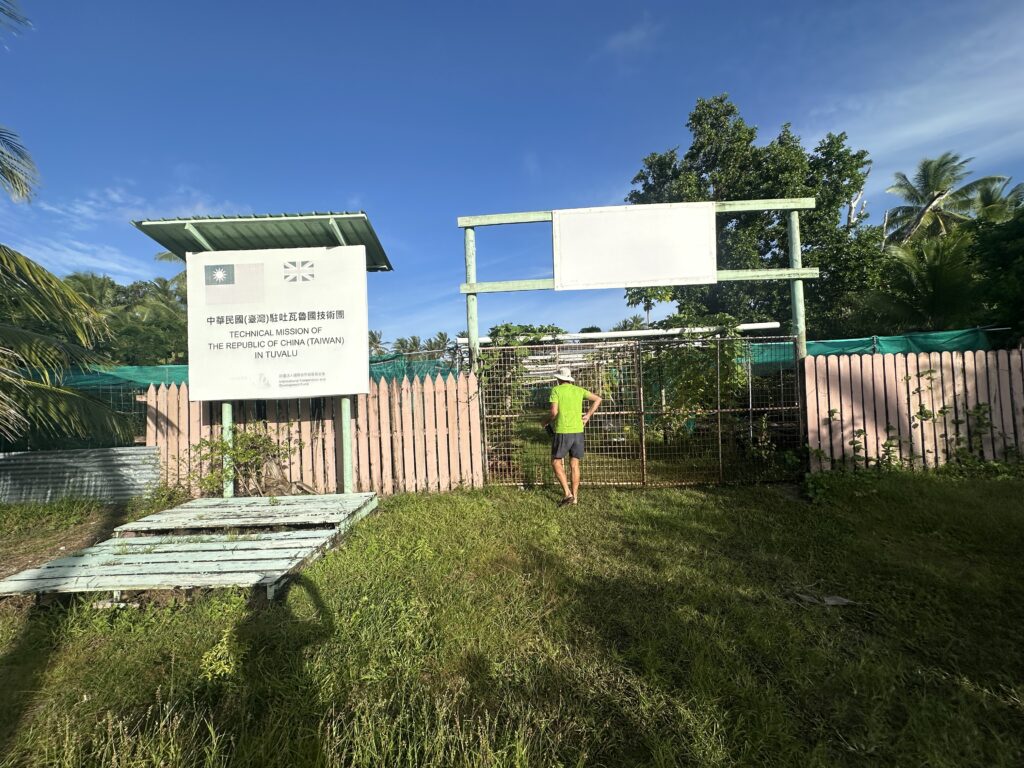
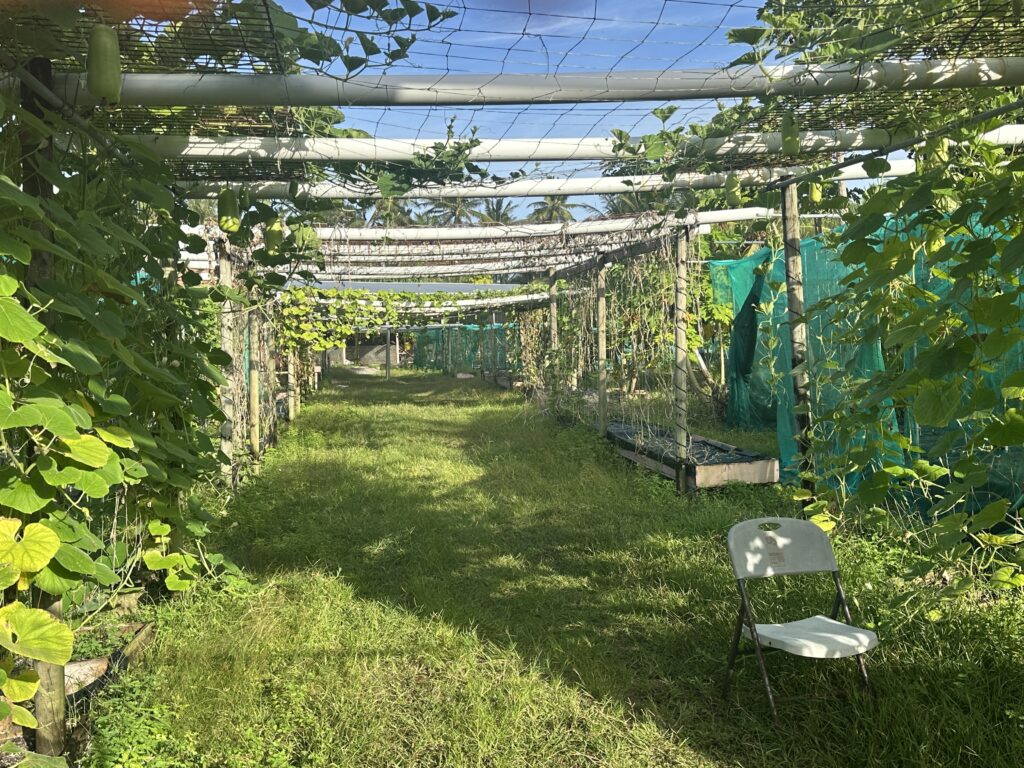
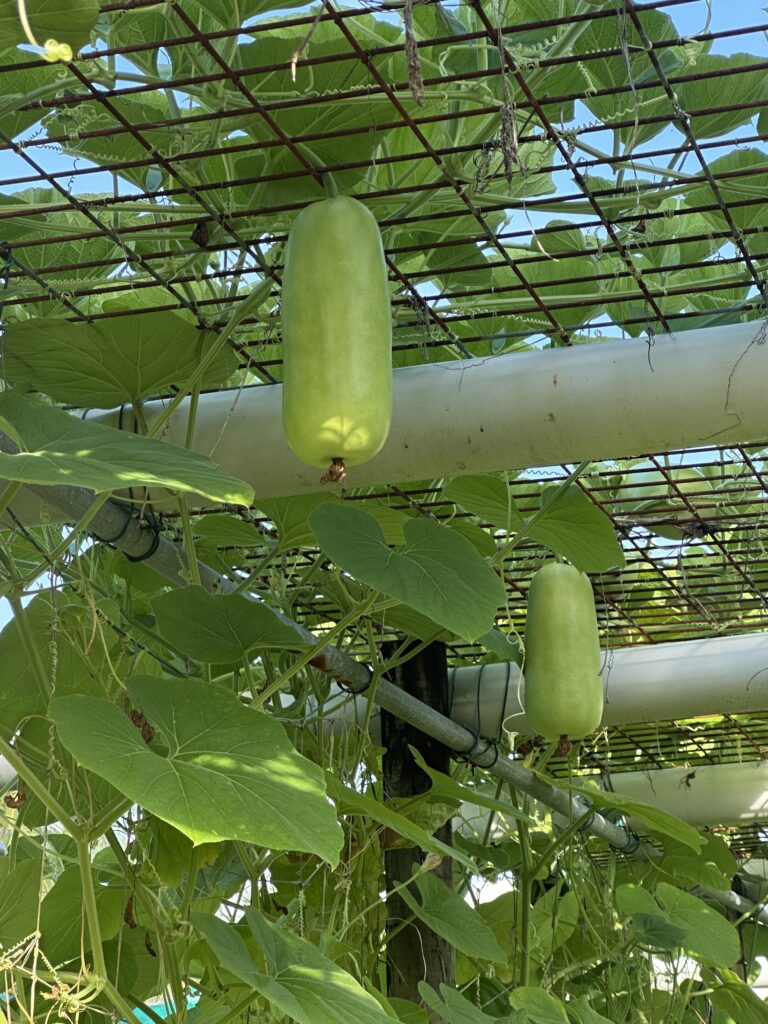
It was interesting to see another side of life in Tuvalu, away from the capital, and it made us wonder what the future holds for these small island communities.
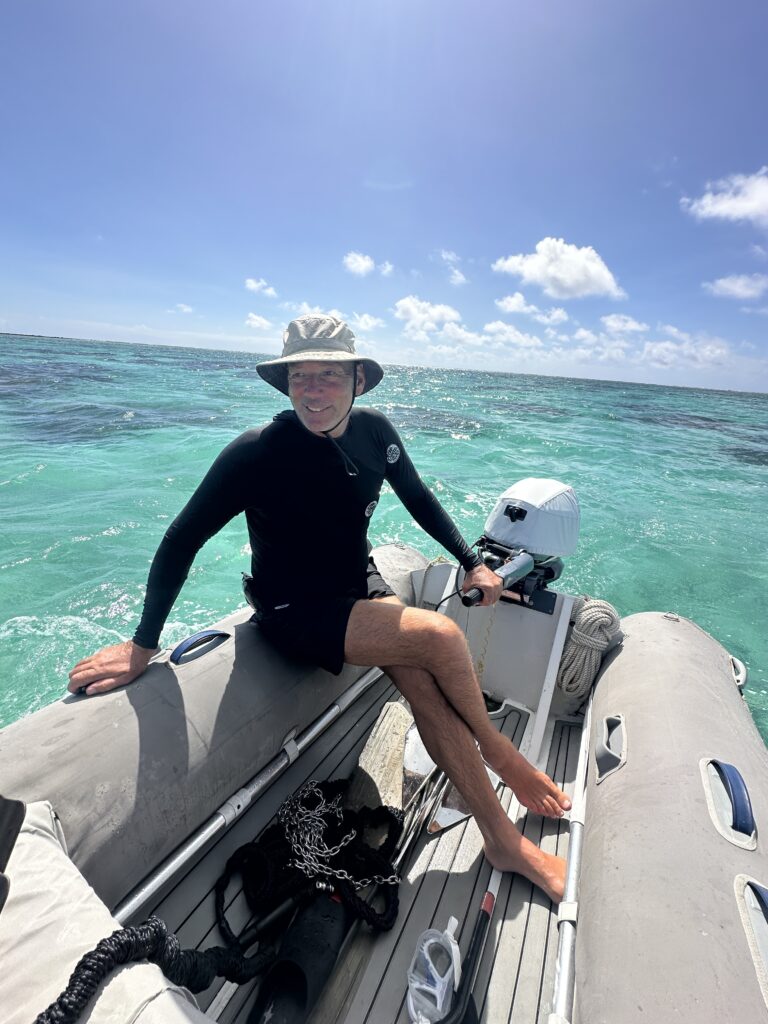
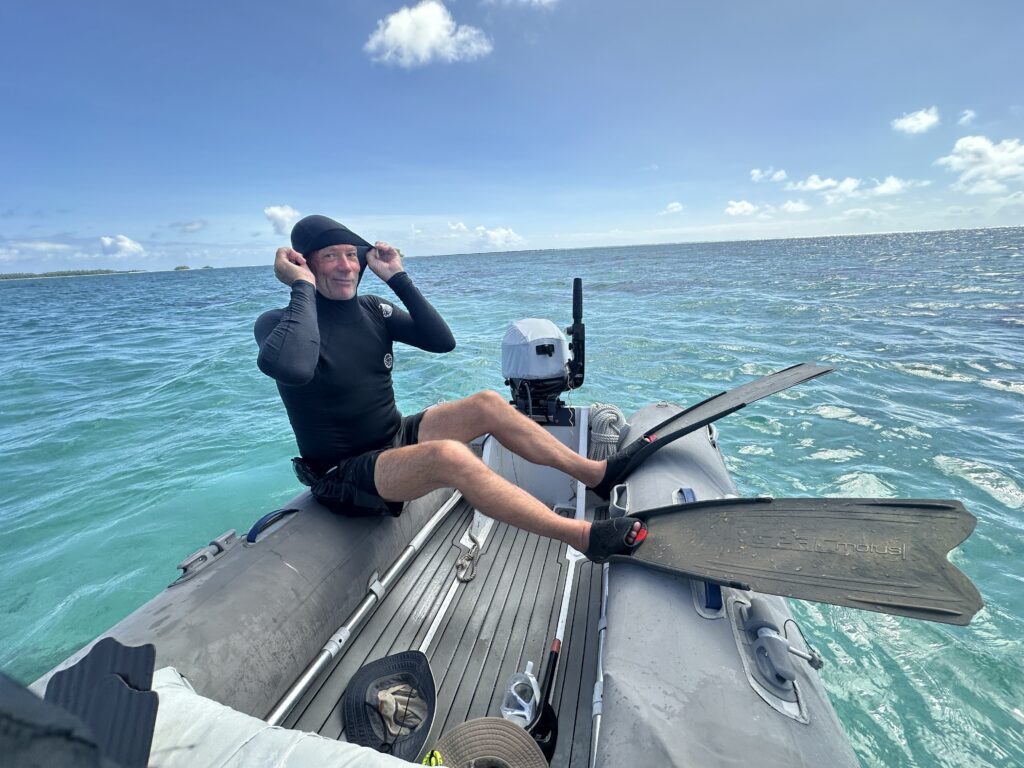
While snorkeling near Funafala, we saw a reminder of the environmental challenges facing Tuvalu. Large areas of coral had been affected by bleaching, following a severe marine heatwave that lasted nine months, from December 2023 to August 2024. Water temperatures had reached 33–35°C on shallow reefs, causing widespread coral mortality. After experiencing so many beautiful reefs throughout the Pacific, it was sad to see the damage.
The challenges are not limited to what happens beneath the surface. With an average elevation of less than two meters above sea level, Tuvalu is one of the countries most vulnerable to rising seas. Coastal flooding, erosion and saltwater intrusion are already serious concerns, raising questions about whether parts of the country could eventually become uninhabitable.
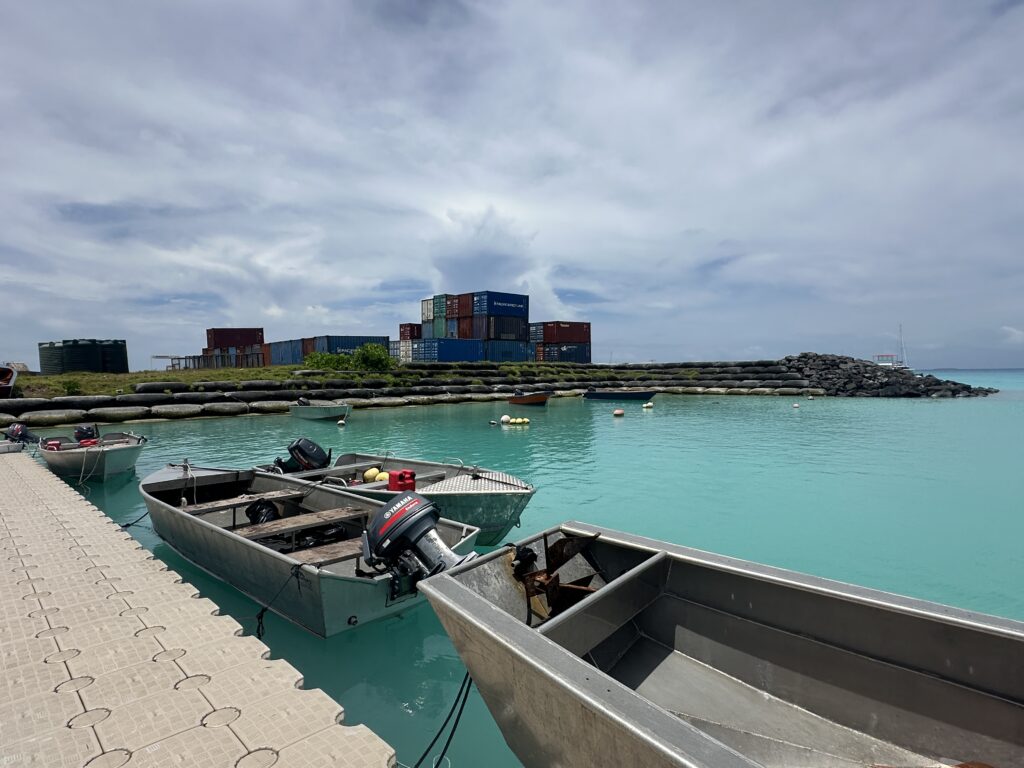
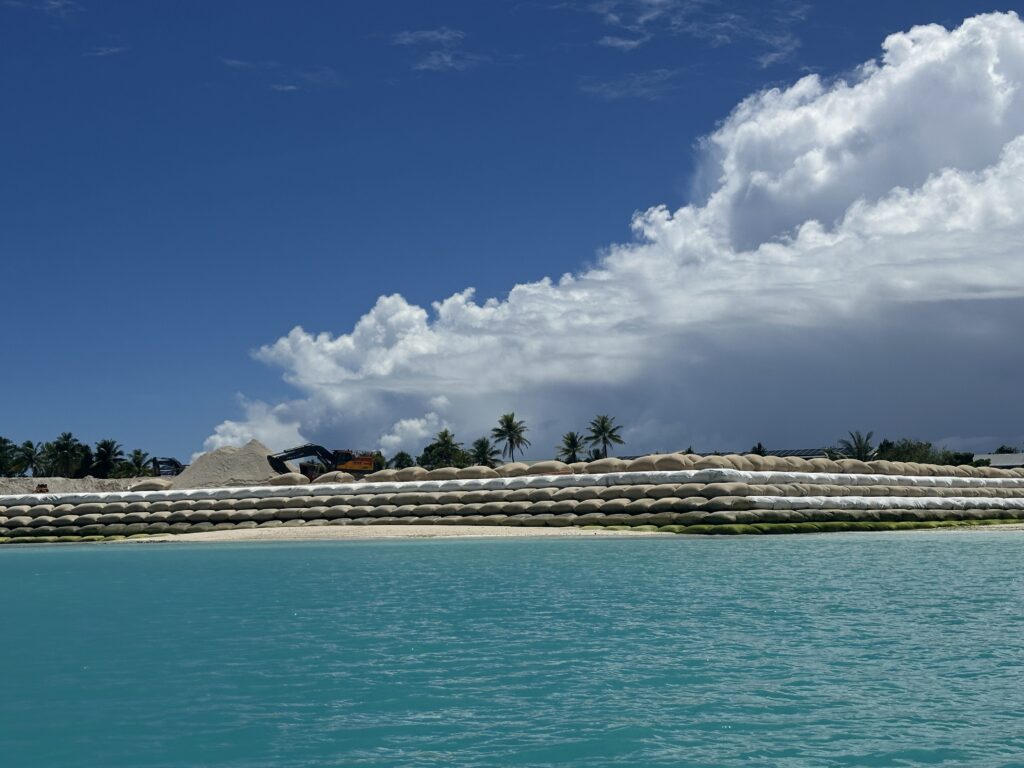
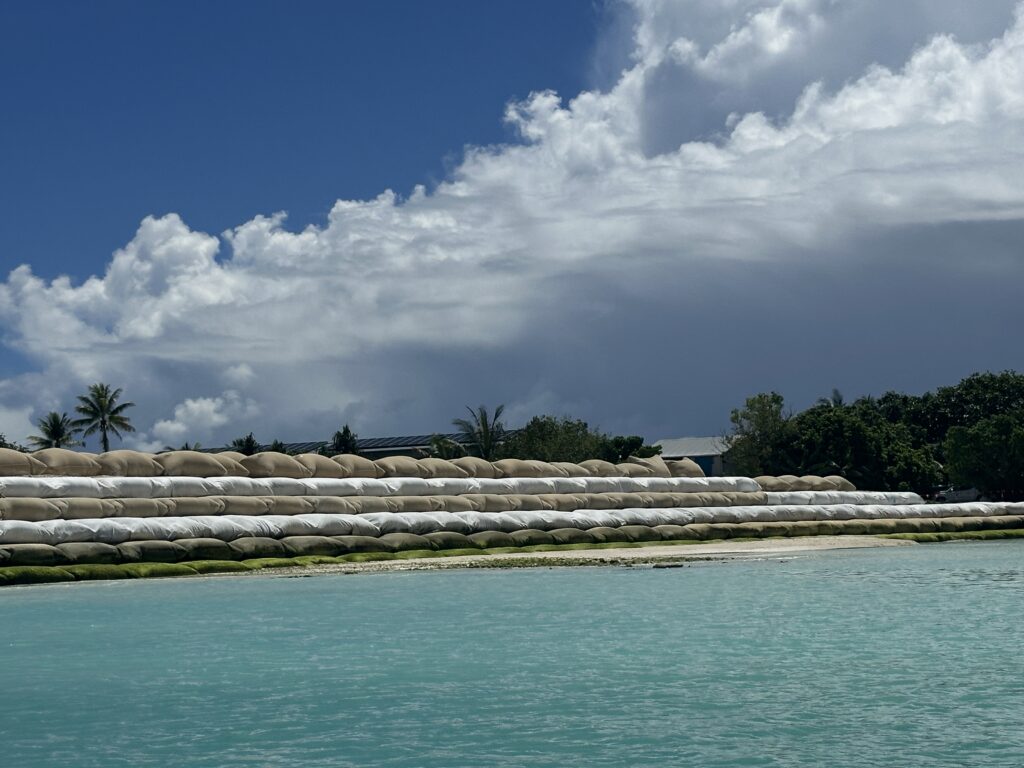
A major coastal adaptation project, mainly supported by international climate funding, has been underway for several years, involving dredging, land reclamation and coastal protection. Sand is pumped from the lagoon to create new, elevated land, while seawalls and other coastal defenses are being constructed to protect existing settlements.
In 2025, another eight hectares of reclaimed land were completed on Funafuti, providing additional space for future housing and infrastructure. The project is part of a much larger effort to protect vulnerable shorelines and give people a better chance of continuing to live in their own country.
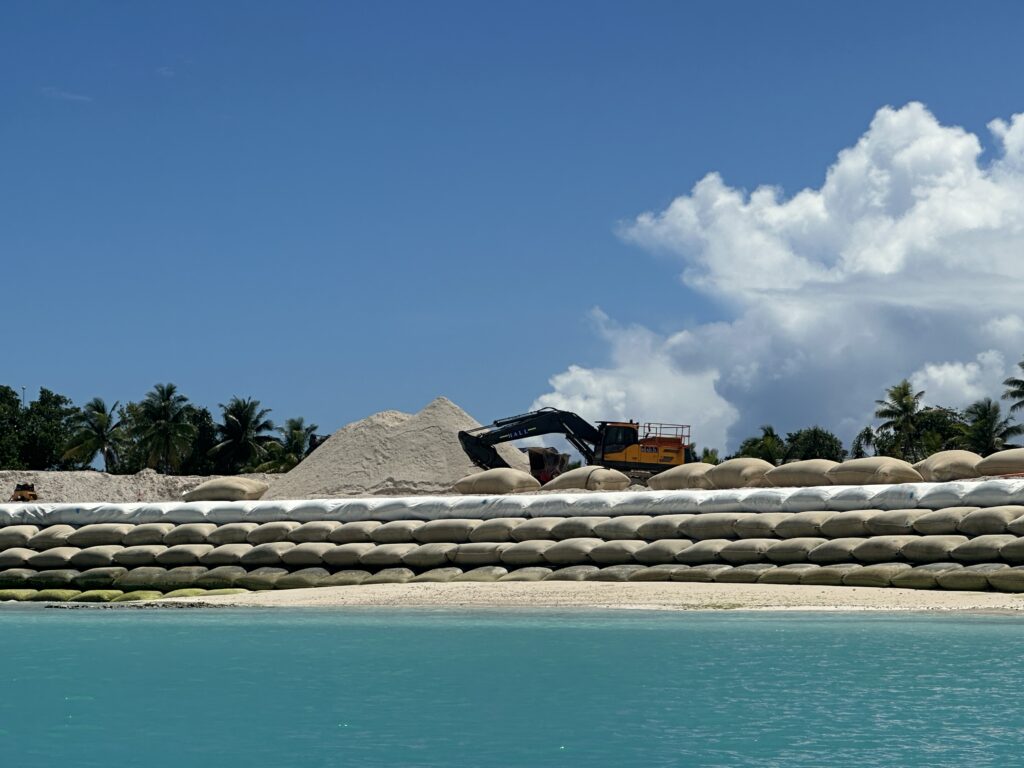
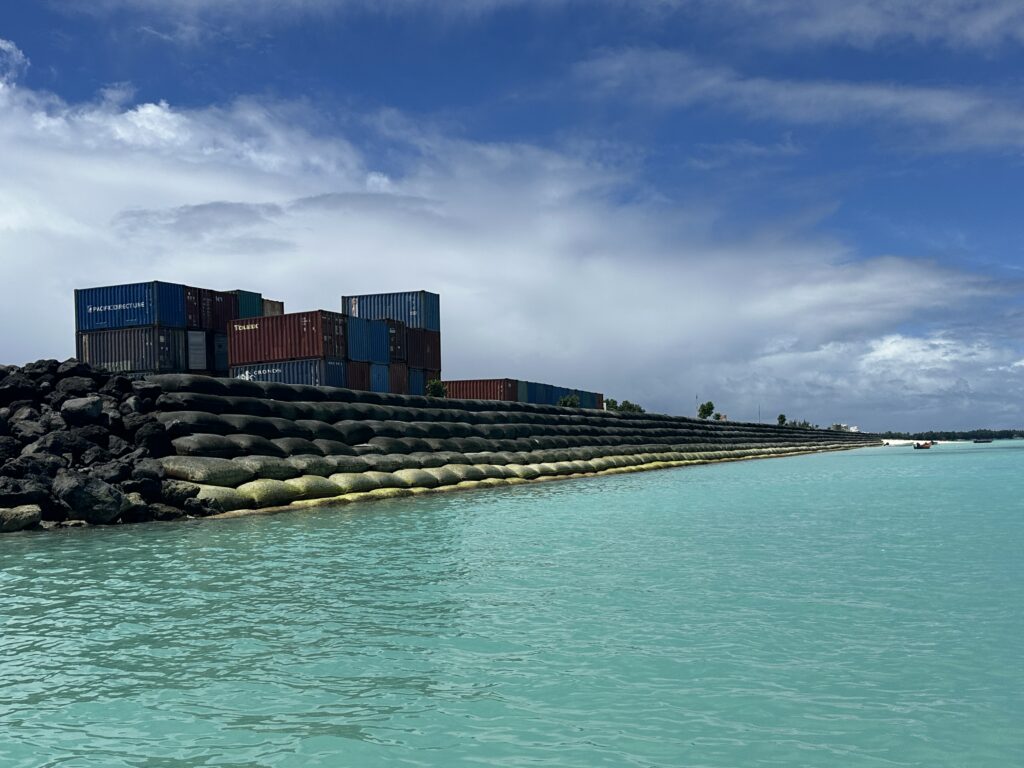
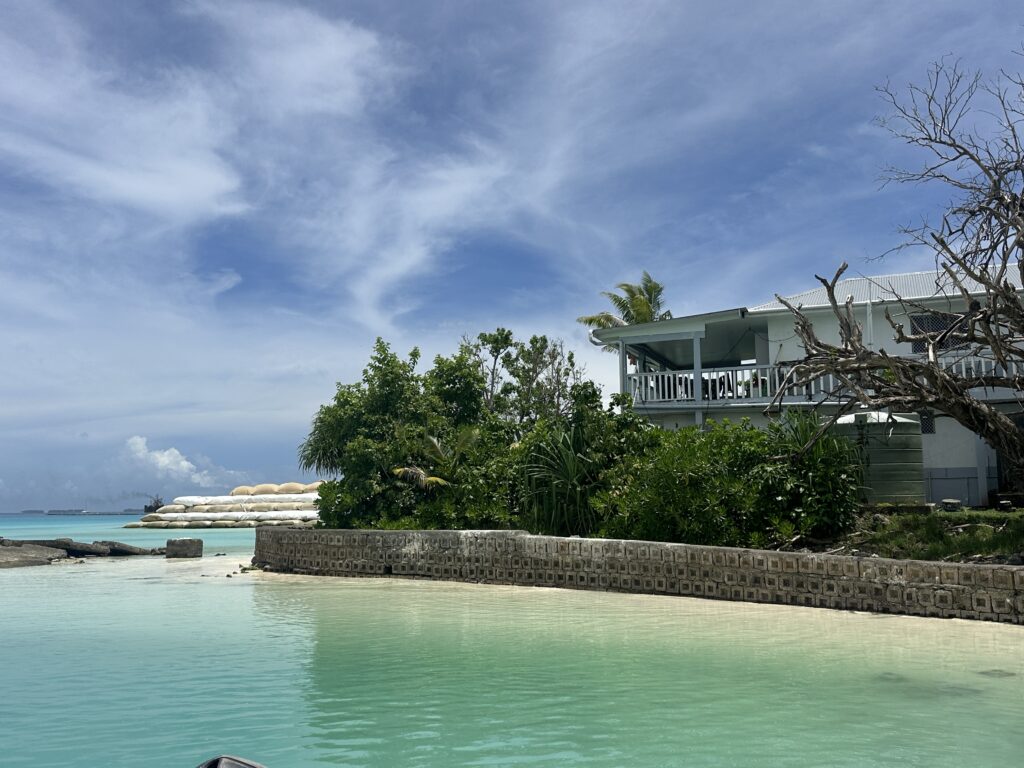
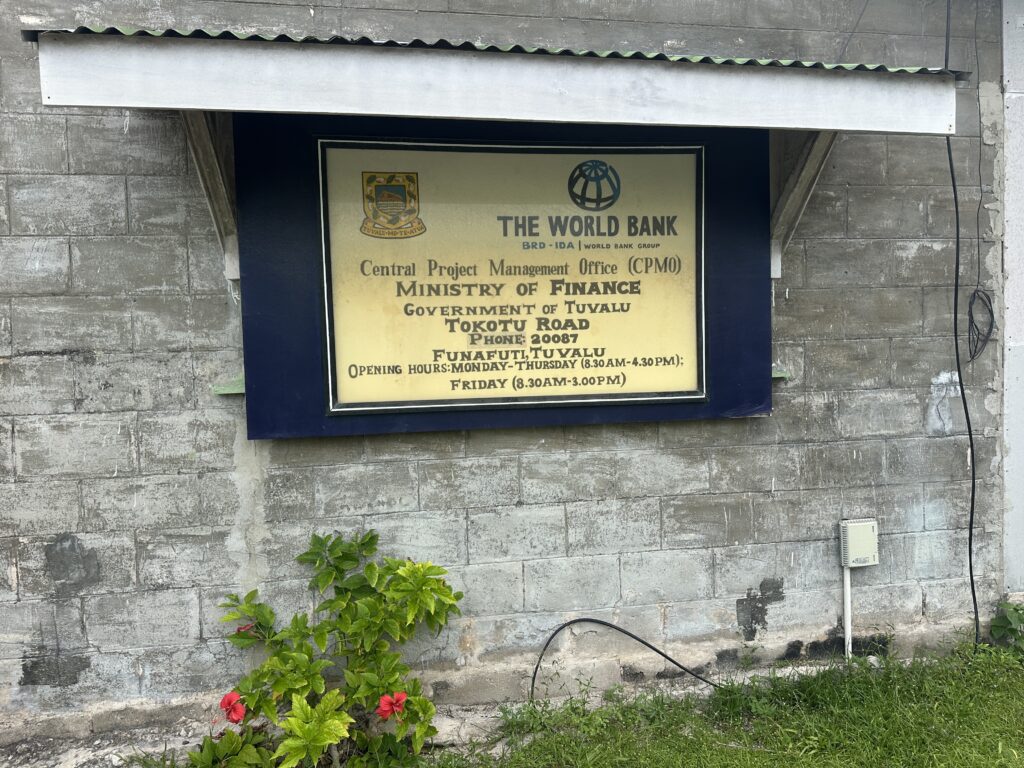
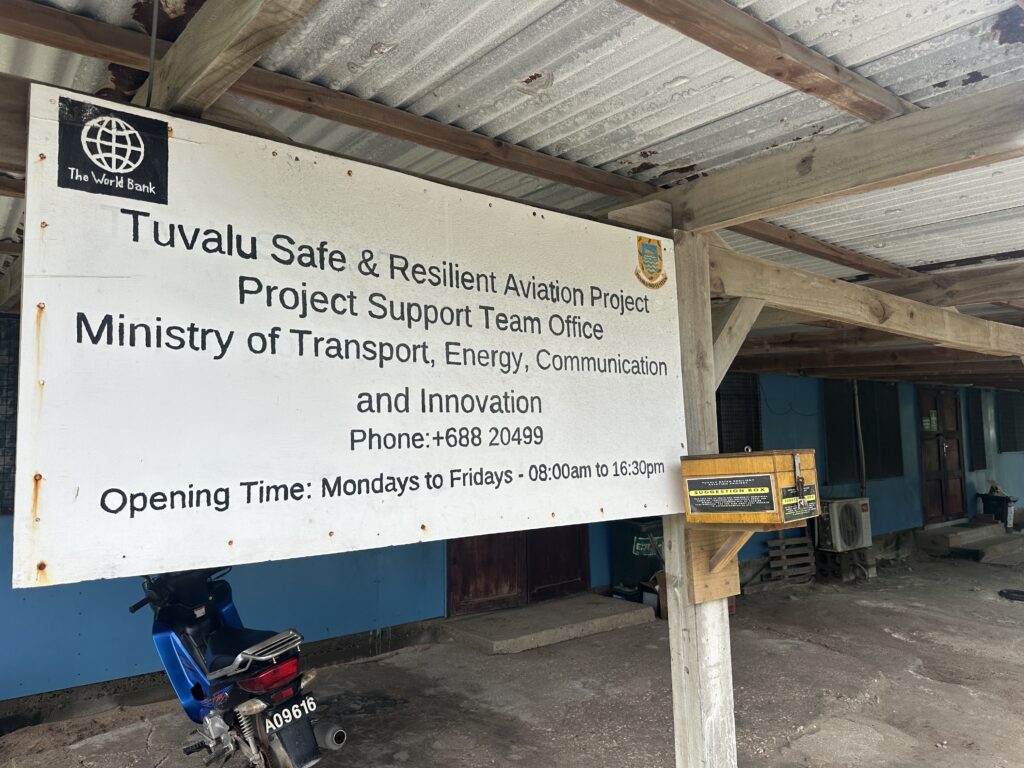
Tuvalu receives quite a lot of international development assistance. The World Bank alone has committed hundreds of millions of dollars over the years to projects ranging from airports and harbors to healthcare, renewable energy and fisheries.
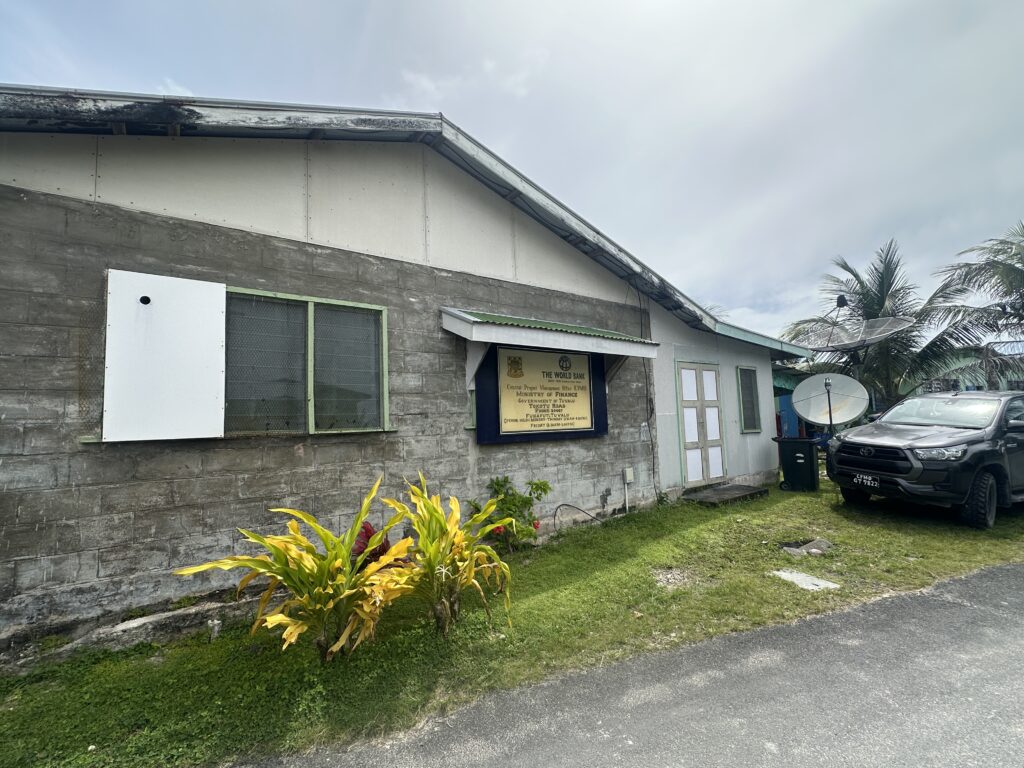
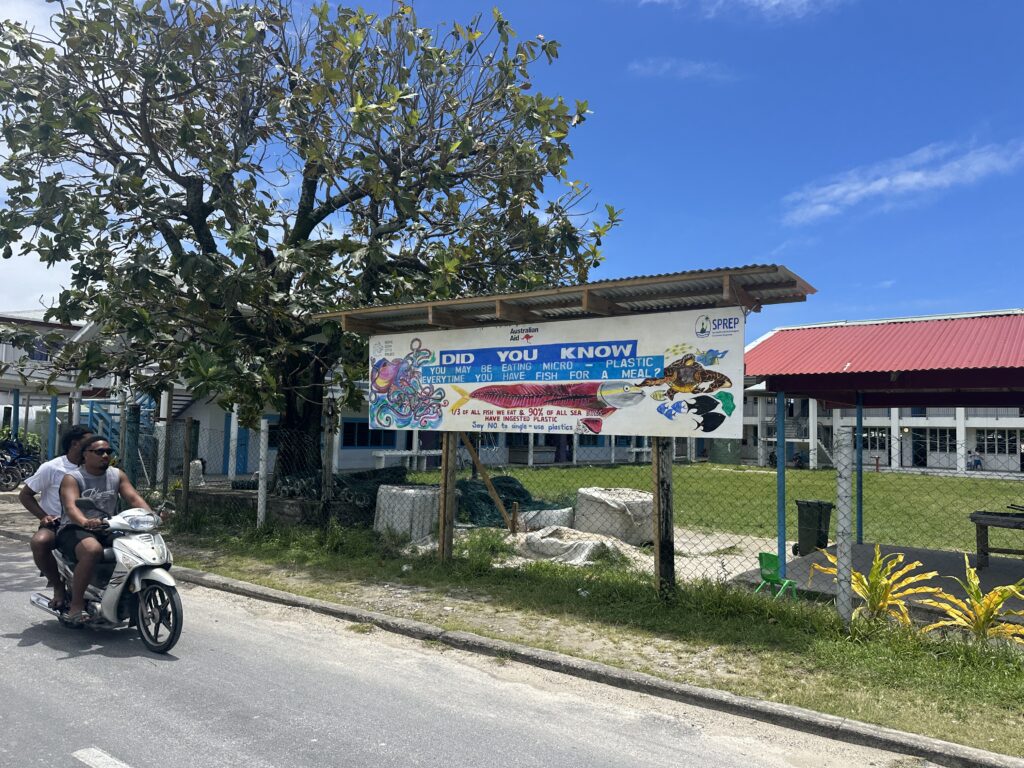
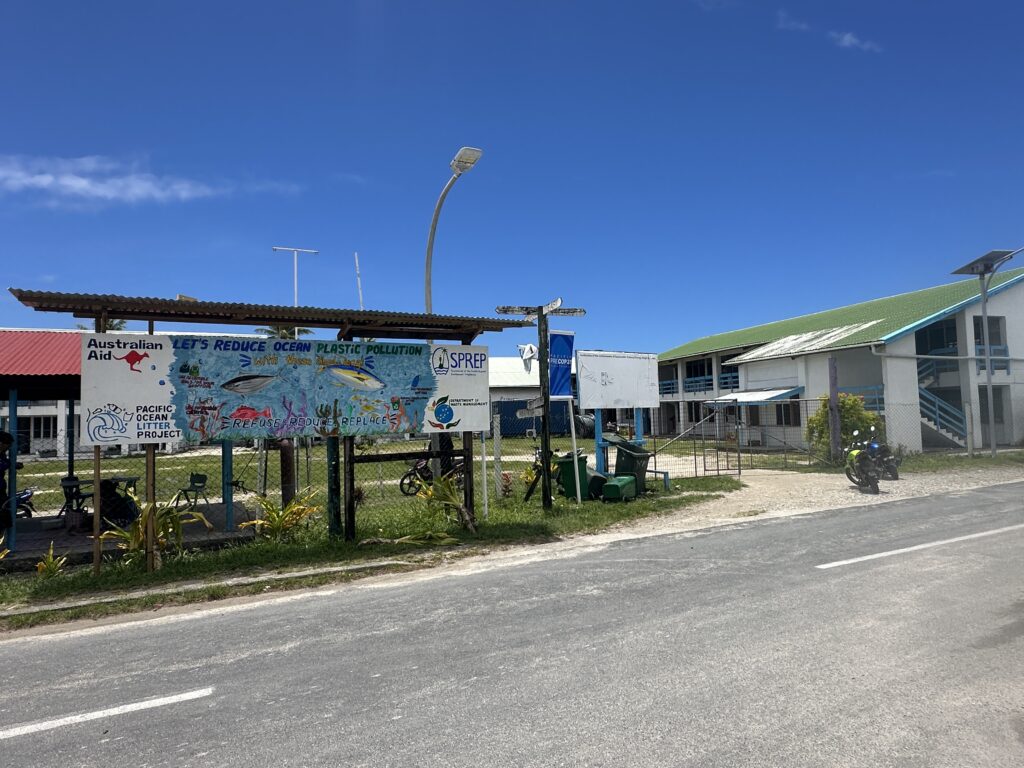
Beyond financial assistance, Tuvalu also receives support from regional organizations such as SPREP (Secretariat of the Pacific Regional Environment Program), which helps Pacific island nations address environmental challenges and coordinate their positions at international climate negotiations. In fact, Tuvalu hosted part of the preparations for COP31 right before we arrived, bringing international leaders to the islands to see the challenges firsthand.
For a country with only around 11,000 inhabitants, there are enormous investments, but also essential if Tuvalu is to remain a place where people can continue to live.
Tuvalu has also made international headlines with its efforts to draw attention to rising sea levels. During the UN climate summit COP26 in 2021, the country’s then Foreign Minister, Simon Kofe, delivered a video address while standing knee-deep in seawater in Funafuti, dressed in a suit and tie behind a lectern. The unusual setting was intended to show world leaders the reality of climate change for low-lying island nations. The images went viral and became one of the most memorable moments of the summit.
It is interesting how such a small country has become an important voice in the global climate debate, despite contributing very little to the emissions causing the problem.
Perhaps the most difficult question is what will happen to the people of Tuvalu if parts of their country eventually become impossible to inhabit. Tuvalu has already entered into an agreement with Australia that provides a pathway for its citizens to relocate. Under the Falepili Union treaty, which came into force in 2024, up to 280 Tuvaluans a year can be granted permanent residency in Australia through a special visa program.
For a country with only around 11,000 inhabitants, that is a significant number. However, the situation is more complicated than simply relocating a population threatened by rising seas. Many Tuvaluans have strong connections to their land, communities and traditions, and do not necessarily want to leave. Others welcome the opportunity to build a future in Australia, particularly for their children.
There are also concerns about what happens to a small country when its young and working-age population begins to leave. Who will maintain the infrastructure, provide essential services and preserve the culture if too many people move away?
The agreement has also raised questions about Tuvalu’s sovereignty, as it gives Australia a say in certain security and defense arrangements with other countries. At the same time, Australia has formally recognized Tuvalu’s continued statehood, even if rising seas eventually make its territory uninhabitable. It will certainly be interesting to follow the development of Tuvalu’s situation further. Perhaps they become the first digital nation?
After two weeks in Funafuti, it was time for us to continue north. Tuvalu marked the end of our travels through Polynesia, bringing to a close a wonderful chapter of our journey across the Pacific. Over the past two and a half years, we had visited 10 of the 14 Polynesian countries and territories, from larger and more developed destinations to some of the most remote communities we have ever experienced.
We left Tuvalu with some great memories of our time here, but also with a better understanding of the challenges facing this small Pacific nation. We hope the people of Tuvalu will continue to have the choice to live on the islands they call home.